young entrepreneurs in India

Top 20 Young Entrepreneurs In India 

Top 20 Young Entrepreneurs In India India has grown into a hub for young, creative minds to grow and leave their mark on the world stage thanks to its flourishing startup environment. The nation has seen a remarkable increase in the culture of entrepreneurship, with creative people stepping up and transforming their ideas into profitable enterprises. These young businesspeople have shown great courage, innovation, and a desire to transform numerous industries for improved outcomes. Sr.no Young Entrepreneurs Businesses 1 Ritesh Agarwal OYO Rooms 2 Bhavish Aggarwal Ola Cabs 3 Vijay Shekhar Sharma Paytm 4 Byju Raveendran Byjus  5 Kunal Shah Cred 6 Nithin Kamath Zerodha  7 Raghav Chandra Urban Company 8 Sachin Bansal and Binny Bansal FlipKart 9 Kavin Bharti Mittal  Hike Messenger 10 Tilak Mehta PaperSpace  11 Phanindra Sama Redbus 12 Upasana Taku and Bipin Preet Singh Mobikwik 13 Shashank ND Practo 14 Rajan Anandan BOV Capital 15 Alok Kejriwal Games2Win 16 Dhiraj Rajaram mu-sigma 17 Sandeep Aggarwal  ShopClues 18 Trishneet Arora  TAC Security  19 Sreelakshmi Edesign 20 Zishaan Hayath Toppr 1. Ritesh Agarwal – Founder of OYO Rooms Ritesh Agarwal is an Indian entrepreneur and the founder of OYO Rooms (now known as OYO Hotels & Homes), one of India’s largest and fastest-growing hospitality chains. He was born on November 16, 1993, in Cuttack, Odisha, India. Ritesh began his entrepreneurial journey when he was young and he left college to follow his aspirations. He started Oravel Stays in 2013, when he was just 19 years old, and it later became OYO Rooms. The purpose of OYO was to offer travelers in India uniform and reasonably priced lodging. In order to sell these rooms to customers through its platform, the company’s creative business plan entailed collaborating with hotels and other businesses, upgrading their facilities, and then doing so. OYO developed rapidly not only in India but also in other international countries as a consequence due its rapid increase in popularity and consistent, affordable hotel experiences. Ritesh has received praise and admiration for his entrepreneurial success with OYO both in India and throughout the world. Ritesh Agarwal’s achievements and entrepreneurial journey have inspired many aspiring entrepreneurs, making him one of the most prominent young business leaders in India. 2. Bhavish Aggarwal-Founder of Ola Cabs Bhavish Aggarwal is an Indian entrepreneur and the co-founder of Ola Cabs, which is now known as Ola, one of India’s leading ride-hailing companies. He was born on August 28, 1985, in Ludhiana, Punjab, India.While initiating his entrepreneurial path, Bhavish Aggarwal pursued a degree in computer science and engineering and worked at Microsoft Research India. During a trip in 2010, Bhavish had a difficult interaction with a taxi driver that gave rise to the idea for Ola. He came to the conclusion that India needed a trustworthy and effective taxi-hailing service, which inspired the creation of Ola Cabs. Bhavish along with co-founder Ankit Bhati introduced Ola Cabs in December 2010 in Mumbai, giving customers access to a smartphone app for booking rides with authorized drivers. Due to the company’s user-friendly software and emphasis on customer satisfaction, it quickly became well-known. Ola expanded its services to a number of cities in India before expanding into other forms of transportation like electric cars, bikes, and auto-rickshaws. Bhavish’s entrepreneurial journey and the success of Ola have earned him recognition as one of India’s top young entrepreneurs. He has been featured on various lists of influential business leaders and has become an inspiration to many aspiring entrepreneurs in the country. 3. Vijay Shekhar Sharma-Founder of Paytm Vijay Shekhar Sharma is an Indian entrepreneur and the founder of Paytm, one of India’s leading digital payment platforms and e-commerce marketplaces. He was born on July 8, 1978, in Aligarh, Uttar Pradesh, India. Vijay Shekhar Sharma launched his first business, XS Communications, when he was a college student, he began his entrepreneurial adventure. After establishing One97 Communications Limited in 2000, which eventually evolved into the parent company of Paytm, he went on to launch a number of profitable companies. When Vijay Shekhar Sharma and his team discovered an opportunity to capitalize on mobile technology for cashless transactions and mobile recharges in 2010, they came up with the concept for Paytm. Paytm initially focused on providing mobile recharging services, but over time it expanded its lineup of services to include bill payment, money transfers, and online shopping. Especially after the Indian government’s decisions to demonetize currency in 2016, which sparked an increase in the adoption of digital payments in the country. Paytm expanded quickly. Having millions of users and businesses as consumers, Paytm evolved into one of the most popular digital payment platforms in India. Vijay Shekhar Sharma continued to be the CEO and driving force behind Paytm’s growth and innovation. 4. Byju Raveendran-Founder of Byjus Byju Raveendran, commonly known as Byju Raveendran, is an Indian entrepreneur and the founder of BYJU’S – The Learning App, a prominent edtech platform in India. He was born on August 29, 1980, in Azhikode, Kerala, India. With the goal to help students in preparation for various competitive examinations, Byju started providing live coaching knowledge in 2011. This marked the beginning of his entrepreneurial journey. Students began to embrace his teaching strategies and customized approach, and as demand grew, he made the choice to increase his efforts by developing a mobile learning app. Byju launched the BYJU’S – The Learning App in 2015, which provided extensive educational materials for kids in kindergarten till grade 12. The software used enhanced methods of instruction and interactive video courses to make the subjects more interesting and understandable for students. Byju’s learning app swiftly gained popularity and emerged as the go-to resource for students seeking extra help with their academics or preparation for examinations. Byju Raveendran has become known as one of India’s top edtech entrepreneurs due to his innovative approach to education and passion for democratizing access to education. He has earned recognition on numerous popular lists of strong business figures and has inspired many driven entrepreneurs and educators. Byju

Top 20 Young Entrepreneurs In India  Read More »

Social Media Evaluator: What is it? 

Social Media Evaluator: What is it? Table of Contents In today’s digital era, our interactions and choices are increasingly shaped by the powerful influence of social media. Behind the scenes of this bustling online world, a unique profession quietly plays a pivotal role in molding our digital experiences and the fortunes of businesses–Social Media Evaluators. In this article, we will shed light on the responsibilities, significance, and the profound impact these Evaluators have on our interconnected world. The Role of Social Media Evaluators Essentially, the primary responsibility of social media evaluators is to closely evaluate the performance of a company’s social media accounts. Furthermore, their responsibilities include reviewing comments on posts, advertisements, and search engine results. Their role also entails analyzing online reviews of companies and recommending strategies that result in enhancement of the companies’ online marketing performance. Helping Businesses Grow One of their primary functions is to assist businesses in understanding the effectiveness of their online marketing efforts. They assess factors such as brand recognition and the conversion rate—how many people are actually making purchases.Their comprehensive analysis extends to analyzing all posts, comments, and content across the social media platforms. Their aim includes understanding of the factors driving the popularity of certain posts and how specific content contributes to heightened sales for companies.With the help of their expertise and guidance companies can start making smart decisions about online advertising strategies and brainstorming innovative ideas to attract a larger customer base. In their pursuit of understanding how individuals engage and make online purchases, they uncover hidden patterns and intricate details that may elude others. This information becomes the foundation for future plans, enabling companies to make informed decisions about their next steps. Sharing Useful Feedback In the world of social media, feedback is like gold. Social Media Evaluators serve as conduits for this invaluable feedback, providing companies with an in-depth assessment of the performance of various online campaigns. The feedback they offer comprises insights, steering companies in the right direction. Armed with this invaluable feedback, companies can refine their advertising strategies, adapting them to better resonate with their target audience. Sparking Change However, their job isn’t limited to numbers and data; they also pay attention to the creative side of how a company presents itself on social media. They want to make sure the content and style of what a company shares online is appealing and well-done, not just focused on numbers and statistics. They ensure that the content a company posts, like photos, videos, or written posts, not only reaches a lot of people (the quantitative aspect) but also looks good and captures people’s interest (the qualitative aspect). Hence, their job is to ensure that a company’s social media presence is both effective in reaching its goals and appealing to the eye. This balance helps the company succeed and stand out in the online world. How much does a social media evaluator make? Social media evaluators’ earnings can vary widely based on several factors. In the United States, their pay can differ by state. They may get paid by the hour or per task, with an average workload of 5 to 30 hours per week. This translates to a monthly income ranging from about $60 to $2400. In India, for example, Appen pays social media evaluators $3 per hour, which is roughly 220 Indian Rupees. Higher-paying roles might offer up to $18 per hour, around 1320 Indian Rupees. In short, social media evaluators’ income depends on their location, the specific project, and the company they work for. The Major Responsibilities of a Social Media Evaluator Rating Ads: They assess the quality and effectiveness of advertisements, providing valuable insights to businesses about what resonates with their audience and what doesn’t. Sorting Content: These evaluators categorize posts into various topics, simplifying content management and developing more effective content strategies. Understanding Intent: They dig deep to figure out why people search for things on social media. This understanding assists companies in developing content that aligns with user preferences and interests. Fact-Checking Claims: They assess the accuracy and legitimacy of claims made in pieces of content, including images and videos. They look for false or misleading information, misinformation, or disinformation. Evaluating Event Authenticity: Evaluators determine the authenticity of events and assess whether they are duplicates. They scrutinize social media posts and reports to identify real events from potentially fabricated or duplicate occurrences. Adaptive Strategy: Social media evaluators need to adapt to the ever-evolving social media landscape, staying up-to-date with platform algorithm changes, emerging trends, and shifts in user behavior. Their insights help businesses remain agile in their marketing efforts. Monitoring for Content Violations: They play a crucial role in identifying and reporting content that violates platform policies, including hate speech, harassment, and misinformation. In order to maintain a safe and respectful online environment, this becomes extremely crucial. Conclusion In the vast digital world where every click and share has an impact, Social Media Evaluators play a crucial role. In a world where a company’s online presence is super important, Social Media Evaluators are the architects of online marketing success. They’re the link between the virtual world of social media and the real world of business goals, crafting a story that connects with people all over the world. As the online world keeps changing, and social media continues to evolve, Social Media Evaluators remain a vital part of the journey. Social Media Evaluators are the guides who bring insight and are the agents of change.

Social Media Evaluator: What is it?  Read More »

social media influencers impact on youth

The Social Media Influencers Impact on Youth

Impact of Social Media Influencers on Youth Table of Contents In the digital age, social media influencers have emerged as powerful voices that resonate with millions of followers worldwide. These individuals have harnessed the power of social media platforms, such as Instagram, YouTube, TikTok, Twitter, and more, to become powerful voices that resonate with millions of followers worldwide. Influencers have diverse niches, ranging from fashion, beauty, and travel to fitness, technology, and social issues. This diversity allows them to cater to a wide spectrum of interests, enabling them to build massive and engaged followings. Their power and influence are expected to continue evolving as technology and social media platforms advance further into the future. 70% of Teens Prefer Influencers over Traditional Celebs .  Let’s look at the impact of social media influencers on you. Let’s look at the impact of social media influencers on you. Understanding the role of influencers Social media influencers are essentially individuals who have gained popularity on social media platforms due to their expertise or reputation in specific fields. This popularity leads to them having a large number of followers. They leverage this following to share their viewpoints, beliefs, and recommendations through various types of content such as posts, videos, blogs, or tweets. In essence, social media influencers hold the power to shape the perspectives and choices of their followers, making them prominent figures in today’s digital age. The Impact Social Media Influencers on Youth Positive Influences Motivation and Success: Social media influencers can be powerful motivators. They often share their success stories, whether in their specific fields or life in general which inspires people. These success stories can offer hope and encouragement to people, motivating them to pursue their dreams. Imparting Knowledge: Influencers are often experts in certain aspects or they might possess knowledge and skills that they readily share with their followers. Through informative content and tutorials, they educate and empower people, helping them acquire new skills and broaden their horizons. Equipping With Resources: Beyond knowledge, influencers share various valuable resources with their followers. By introducing their audience to tools, products, and services with better quality and rates. This helps them to enhance their experiences as better options become more accessible for the people. Inclusivity: Many influencers champion inclusivity and diversity. They use their platforms to highlight issues related to equality, encouraging discussions and raising awareness about social and cultural issues. Promoting Creativity: Creativity flourishes in the wake of influencer culture. Social media figures often promote artistic expression, inspiring their followers to explore their creative sides and pursue their passions. Enhanced Well-Being: The individuals who share interests or activities with social media figures experience a heightened sense of self-congruity and overall well-being. This shared enthusiasm fosters a sense of belonging and personal growth. Negative Influences Unrealistic Beauty Standards: One of the darker aspects of influencer culture is the promotion of unrealistic body standards. Through the use of photoshop and filters, influencers present an idealized image that is nearly impossible to attain. This obsession with perfection can lead to body image issues, eating disorders or diminished self-esteem. Materialism and Consumption Culture: Influencers often portray a lifestyle centered around conspicuous consumption, promoting materialism. This relentless pursuit of possessions can encourage viewers to prioritize material wealth over genuine human connections and happiness. Deceptive Portrayals: The seemingly ideal and perfect lives that influencers project can be misleading. This facade can lead some viewers to become disheartened about their own lives, as they perceive themselves as falling short in comparison. However, the influencers themselves might not have the “ideal” life they tend to show. Mental Health Impact: Constant exposure to influencers and their seemingly ideal lives can foster negative self-comparisons. This, in turn, can contribute to mental health issues such as anxiety and depression, as individuals feel inadequate in the face of curated online personas. Parasocial Relationships: Followers often develop parasocial relationships (PSR) with influencers, feeling a deep connection despite the one-sided nature of these interactions. These one-sided bonds can lead to unhealthy emotional dependencies and disappointment when the influencer fails to meet the viewer’s expectations. Conclusion In conclusion, while influencers can motivate and empower, they can also propagate harmful ideals and negatively affect mental health. As followers, it’s essential to approach these digital relationships with a critical eye, appreciating the positive influences while remaining mindful of the negative impacts. Ultimately, our ability to navigate this influencer-driven era lies in our capacity to discern, adapt, and prioritize our own well-being.

The Social Media Influencers Impact on Youth Read More »

top Indian motivational speakers

Top 31 Indian motivational speakers

Top 31 Indian motivational speakers In recent years, India has witnessed the rise of numerous motivational speakers who have achieved international recognition. These incredible people have delivered impactful speeches on various platforms, including digital media and authored numerous books based on their life experiences and unique perspectives. Their profound insights and perspectives on life have earned them widespread adoration and admiration on a global scale. Let us have a look at the Top 31 Motivational Speakers in India: Sr. No Name of the Speaker  Instagram Followers  1 Sangram U Singh 9.6M followers 2 Gaur Gopal das 8.6M followers 3 Sonu Sharma 5.3M Followers  4 Sandeep Maheshwari 5.2M followers 5 Dr Vivek Bindra 3.6M followers 6 Deepak Chopra 3M Followers 7 Robin Sharma  2M Followers  8 B.K Shivani  1.7M Followers  9 Himeesh Madaan  1.2M Followers  10 Chetan Bhagat  910K Followers  11 Gul Panag 590K Followers  12 Ujjwal Patni 584K followers 13 Priya Kumar  417K Followers  14 Rahul Kapoor  164K Followers  15 Shiv Khera  160K Followers  16 Dr. Ujjwal Chugh 100K Followers  17 Laxminarayan Tripathi 77.7K Followers  18 Arunima Sinha 32.6K Followers  19 Simerjeet Singh  30.5K Followers  20 TS Madaan  30.2K Followers  21 Virali Modi 19K Followers  22 Akash Gautam Website  23 Diana Hayden  13.2K Followers  24 Harish Iyer  9,435 Followers  25 Jagadish Jaggi Vasudev 6,260 Followers  26 Yogesh Chabria 3,370 Followers  27 Sudha Menon 3,101 Followers  28 Swami Sukhabodhananda 857 Followers  29 Dr. Srikumar Rao – 30 RamG Vallath – 31 Bishal Sarkar Website  1. Sangram Singh Indian wrestler, actor, motivational speaker, philanthropist, health guru, and honorary doctorate recipient Sangram Singh embodies the transformation from a paralyzed boy to a world wrestling champion. He serves as a motivational speaker for the Indian Army and has participated in several TV reality shows. https://youtu.be/YXRk-C-OwpU 2. Gaur Gopal Das A motivational speaker with a huge social media following of 17 million, Gaur Gopal Das is a monk and lifestyle coach. His writings, such as “Life’s Amazing Secret,” are extensively distributed and published. Being a monk for 23 years, he has imparted his knowledge upon a wide range of groups, including students and industry leaders like Google and Salesforce, with the goal of transforming lives and inspiring others. https://youtu.be/q3UvXWCeguc?si=QeLT44ehhZQ6oBGJ 3. Sonu Sharma Sonu Sharma, an acclaimed motivational speaker, business consultant, educator, and author, devotes his efforts to encouraging others to realize their full potential. He formed the Dynamic India Group and wrote various books with more than 22 years of experience to improve people’s lifestyles. https://youtu.be/plczYyJ5law?si=Kv9iSLDnxaGik4yg 4. Sandeep Maheshwari Sandeep Maheshwari is a motivational speaker, entrepreneur, photographer, YouTuber, and writer. He has almost 10 million followers and has been profiled in important publications including the Economic Times and India Today. He hopes to inspire millions of people. He is the CEO of ImagesBazaar, a rapidly growing business, who has faced and overcome several setbacks. In 2003, when he took over 10,000 pictures of 122 models in less than eleven hours, he not only became well-known but also broke a world record. https://youtu.be/eDiA1p5DlLg?si=TfHUOBQAn-Z4lYML 5. Dr. Vivek Bindra With more than 38 million followers and 7.1 billion video views across all platforms, Dr. Vivek Bindra is the CEO of Bada Business.Famously known as the “Startup Guru,” he is a well-known motivational speaker, leadership expert, business mentor, and author. In addition to being an acknowledged executive coach for India’s top 100 CEOs, he is the holder of 11 world records, including 9 Guinness World Records. https://youtu.be/L_iJCNzDe-s?si=nnq_z6mazRI1ZSY5 6. Deepak Chopra Celebrated as one of TIME magazine’s “Top 100 Most Influential People,” Dr. Deepak Chopra, an Indian-American author and advocate of alternative medicine, is a guiding light in the self-help movement. He inspires audiences worldwide through his motivational speeches and acclaimed writing. https://youtu.be/9wC8Ufb2kGM?si=Y6mLv8xPe0Wq5qes 7. Robin Sharma Widely recognized for his second book, “The Monk Who Sold His Ferrari,” Robin Sharma is celebrated as a leadership expert and advisor to business titans. His influence extends globally, and he’s regarded as one of the top five leadership experts in the world. Sharma’s impact also stems from his acclaimed writings and inspirational speeches. https://youtu.be/7N8SyduUyVw?feature=shared 8. Shivani Verma Shivani Verma: Shivani Verma, a Brahma Kumaris spiritual movement instructor, is both a novelist and a philosopher. In 2014, she was bestowed with the Women of the Decade Achievers Award by the ASSOCHAM Ladies League. BK Shivani has an impact on charity activities like encouraging organ donation. In her television show “Awakening with Brahma Kumaris,” she discusses spirituality in general as well as living values and inner powers. https://youtu.be/C6kc3HH2fJ4?si=gHap4HhFROAAX0x7 9. Himesh Madaan Himeesh Maadan is a motivational speaker, entrepreneur, performance coach, and writer. His work has positively impacted over 100 million people through videos, training programs, and books. In 2019, he founded Seekhega India with the vision to empower individuals with valuable skills that the world values and rewards, ultimately helping them build their dream lives. https://youtu.be/3K6RWnVf1eM?feature=shared 10. Chetan Bhagat Renowned as an author, columnist, and YouTuber, Chetan Bhagat consistently achieves bestseller status, with five novels adapted into successful films. He engages audiences by speaking at over 100 organizations in 50 global cities, covering topics like passion, values, motivation, and leadership. Bhagat also contributes valuable insights to English and Hindi newspapers, focusing on youth empowerment and national development. https://youtu.be/TzpdHeaIT_8?si=cE6Ne4TVtMjdCKCs 11. Gul Panag Gul Panag, an Indian actress, voice actress, model, and former beauty queen, is a powerful opinion maker and thought leader. She actively engages in dialogue and debate on critical issues of gender equality, justice, and environmental concerns. Gul Panag is recognized as one of “the most influential people on social media” in India. https://youtu.be/4OAAhlSvqiI 12. Ujjwal Patni Ujjwal Patni, an esteemed international trainer, best-selling author, and motivational speaker, proudly holds three Guinness World Records. His transformative programs impact the lives and businesses of over a million people in more than 150 cities worldwide. Dr. Patni has shared the stage with esteemed figures, including celebrities, politicians, industrialists, and influential social figures https://youtu.be/n4QK52sO720?si=TF5ly0uiamRG6K0O 13. Priya Kumar With 12 books to her credit, Priya Kumar is an accomplished author with 27 years of remarkable experience. Her

Top 31 Indian motivational speakers Read More »

social media statistics

30 Social Media Statistics You Need To Know In 2025

30 Social Media Statistics You Need To Know In 2025 Every data point makes a difference and every percentage of a data metric creates an impact for the people, place and price. Living in this Socially connected world, understanding the significance of key statistics matters. Social media is ever evolving and the stats will continue to update. In this blog, you will explore some of the key social media statistics that we feel is important to know. Explore and understand these numbers that will surely bring you to a pause and reflect on the way social media is creating an impact. Social Media Penetration Worldwide Almost half (48.3%) of the world’s population are active social network users in 2025. This staggering statistic from Insider Intelligence highlights the immense reach and influence of social media in today’s digital age. Social Media Advertising Expenditure When it comes to social media advertising budgets, businesses typically allocate $200 to $350 per day—equating to a monthly expenditure of $6,000 to $10,500, and an annual investment ranging from $72,000 to $126,000, as reported by evolvemedia. Such substantial investments underscore the pivotal role of social media in modern marketing strategies. Device and Brand-wise Social Media Usage When it comes to accessing social media, the usage is diversely distributed. As per Statcounter, the device-wise usage of social media breaks down as follows: Mobile devices dominate with 54.46 percent, followed by Desktop usage at 43.67 percent, and Tablet users accounting for 1.88 percent. Statcounter also provides insights into brand-wise social media usage, with Apple leading the way at 28.52 percent, followed by Samsung at 24.15 percent, Xiaomi at 11.1 percent, Unknown sources at 7.73 percent, Oppo at 5.85 percent, and Vivo at 5.38 percent. Customer Expectations on Social Media Response Times Customer expectations on social media response times are high. A survey cited in Marketing Dive reveals that 40% of consumers anticipate brands to respond within the first hour of reaching out on social platforms. Furthermore, a staggering 79% expect a response within 24 hours. Notably, different industries exhibit varying response rates, with real estate and legal leading the way at 29%, followed closely by recruiting and staffing, finance and banking, and healthcare. Rising Importance of Listening in Social Media Marketing Listening is gaining prominence in the social media marketing landscape. SocialMedia Today reports that 63% of social media marketers believe that listening to their audience will become increasingly important in the coming year. This highlights the shift towards more customer-centric strategies. Prioritizing Speed in Customer Engagement When it comes to customer preferences, speed matters. A significant 75% of customer survey respondents prioritize fast responses from brands. This desire for swift engagement underscores the importance of real-time interaction in maintaining a positive brand image, as revealed by XBusiness. Twitter’s Messaging Preference Twitter users, in particular, show a preference for messaging over calling. A substantial 64% of customers on Twitter would rather message a dedicated support handle than initiate a phone call. This preference reflects the evolving dynamics of customer service in the digital age Social Media’s Role in Brand Discovery and Research Social media also plays a vital role in brand discovery and research. Among internet users aged 16 to 64, 26.8% discover brands, products, and services through social media ads, according to SearchEngineJournal. Additionally, 44% of these users turn to social media as their primary source of information when researching brands. For a global perspective, the number of internet and social media users continues to rise. The most recent statistics, obtained from Statista, indicate substantial worldwide user figures as of April 2025. Global Internet and Social Media User Growth Instagram Stories advertising revenue is a significant driver of social media revenue. According to Statista, the net revenue from Instagram Stories advertising has been on the rise globally from 2019 to 2025 reflecting the platform’s effectiveness for advertisers. Social media users are diverse and dispersed worldwide. Detailed country-wise statistics, also sourced from Statista, provide insights into the geographical distribution of social media users, further emphasizing the platform’s global reach. Global Social Media Demographics Recent research, as cited by Oberlo, reveals that global consumers aged 20 to 29 constitute the largest user group of social media, making up nearly one-third (31.8%) of all users worldwide. Interestingly, the majority within this age group are male, accounting for 17.5% of all social media users, while female users aged 20 to 29 comprise 14.3%. The second-largest age group on social media is 30 to 39, representing 21.9% of all users. Similar to the younger demographic, males dominate this group, with 12.1% of all social media users being males aged 30 to 39, compared to 9.8% of females in the same age range. Average Number of Social Media Accounts According to the Global Web Index, the average number of social media accounts for millennials and Gen Z-ers worldwide stands at 8.4 accounts, a significant increase of 75% from the 4.8 accounts reported in 2014. This study, encompassing 46 countries with internet users aged 16 to 64, also reveals regional variations, with Japan having the lowest average of 3.8 accounts per person and India topping the list at 11.5 accounts per person Social Media Usage Trends Globally, 60% of the world’s population is actively engaged in social media, with an average daily usage of 2 hours and 24 minutes as of April 2023 In Q1 of 2023, the average click-through rate (CTR) for social media ads registered at 1.2%, showing a slight decline from the previous quarter. The number of social media users continues to grow significantly, with 150 million new users joining between April 2022 and April 2023, marking a 3.2% year-over-year increase. This equates to approximately 410,000 new social users every day and a staggering 4.7 new users every second. Future Projections Looking ahead, the social media advertising landscape is set to evolve. By 2027, it’s predicted that $247.30 billion of the total ad spending in the social media advertising market will be generated through mobile platforms. TikTok Dominance Lorem ipsum dolor sit

30 Social Media Statistics You Need To Know In 2025 Read More »

Tapping into Trends: Using Social Media Listening to Anticipate Market Shifts

Tapping into Trends: Using Social Media Listening to Anticipate Market Shifts Whether it’s the world of fashion, automobiles, technology, or the intricate world of finance, the key to survival lies in understanding and adapting to the changing demands of customers. In this fast-paced era, where trends can shift in the blink of an eye, businesses need a reliable compass to navigate the turbulent waters of the market. Table of Contents Why It’s Important to Keep Up with Trends in Your Industry? Predicting What’s to Come Anticipating future market trends is like having a crystal ball for your business. Comprehensive trend analysis allows you to foresee changes in consumer preferences, technological advancements, and market dynamics. Armed with this foresight, you can strategically position your brand to meet evolving demands and navigate the shifting landscape effectively. Leading the Way, Not Following True industry leaders don’t follow trends; they set them. Being attuned to emerging trends empowers your brand to take the initiative. By proactively aligning your strategies with nascent themes and consumer preferences, you can establish yourself as a thought leader. This not only elevates your brand’s status but also positions it as an innovator rather than a follower. Opening Doors to New Opportunities Industry trends often conceal untapped opportunities. In-depth trend analysis unveils these hidden gems by deciphering market shifts and consumer sentiment. These insights enable you to diversify your offerings, explore new markets, and cultivate strategic partnerships that might have otherwise remained undiscovered. Keeping up with the  audience Maintaining a consistent brand presence is paramount. Staying updated with industry trends ensures that your brand remains relevant in your audience’s daily discourse. When your brand is consistently on their radar, you become their first choice when they need products or services related to your industry. Being in the Spotlight Brands that actively engage with industry trends naturally attract attention. Vigilant trend tracking helps you identify trending topics and conversations where your brand can make a meaningful impact. This heightened visibility often translates into media coverage, social media buzz, and increased brand awareness. Staying Competitive In a fiercely competitive business landscape, adaptability is key to survival. A comprehensive understanding of industry trends provides you with a competitive edge. Armed with real-time insights into your industry, you can fine-tune your strategies, enhance your product offerings, and outperform your rivals. Let’s delve into how consumer insights reports  can anticipate trends for brands to maintain a  position of prominence. What are the benefits of consumer insights reports for brands? Strategic Branding Keeping a finger on the pulse of social media conversations is akin to having insider knowledge of what’s hot and what’s not in real-time. By identifying emerging trends and popular topics, leading brands can strategically position themselves to resonate with their target audience. By understanding what’s resonating with consumers at any given moment, brands can adjust their strategies, products, and messaging to remain in sync with the evolving market. This alignment fosters a stronger connection with customers who feel that the brand understands and meets their needs. Strategic Positioning In a rapidly changing market, adaptability is key. Leading brands understand that they must position themselves in a way that reflects the evolving needs and desires of their customers. Social media listening enables them to gather insights into consumer sentiments, pain points, and emerging preferences. Armed with this information, brands can make informed decisions about product development, marketing strategies, and even company culture adjustments. By staying agile and responsive to these insights, they can remain in sync with their audience and make necessary changes to maintain their competitive edge. Competitive Advantage In a competitive marketplace, staying ahead of the curve is a significant advantage. Brands that proactively listen to market changes can identify opportunities before competitors do. This early-mover advantage allows them to innovate, launch new products, or tweak their strategies strategically, putting them in a favourable position to capture market share. Building Presence and Awareness Being present and active in the conversations that matter to your target audience is a powerful way to build brand presence and awareness. When people see a brand consistently engaging with trending topics or addressing current issues, it creates a sense of relevance and reliability. This presence not only keeps the brand top-of-mind but also positions it as a trustworthy authority in its industry. Consumer Preference and Loyalty Brands that actively listen to changes in consumer preferences can adapt and tailor their offerings accordingly. This not only attracts new customers but also retains existing ones. When people feel that a brand is responsive to their evolving needs, they are more likely to choose that brand over others. Loyalty is built on the foundation of understanding and meeting customer expectations. Consumer Insights Reports with Locobuzz How its Done In our workflow, Clients provide the initial direction by furnishing a brief, where we outline our scope and determine the content format. We consider the project’s background and objectives, along with the platforms and analysis time range. Geographic factors and sample keywords are also crucial. We delve into keyword analysis and secondary research, identifying additional keywords and categories like campaign analysis or product issues. These keywords are then injected into our tool using Boolean logic, fetching relevant data. Following that, we assure data integrity and prepare it for analysis by developing templates that are in line with our goals. We then extract insights, and craft observations for a comprehensive report. Let’s move further with some of the key metrics that we cover in the tool. Sentiment Analysis Locobuzz sentiment analysis algorithms are trained to detect and classify sentiment across multiple languages and dialects, including slang, idioms, and colloquialisms. This ensures that businesses get a complete and accurate picture of customer sentiment across all channels and touchpoints. Locobuzz sentiment analysis goes beyond simple positive, negative, and neutral classification. It takes into account the intensity and context of customer sentiment, providing businesses with a more nuanced understanding of customer feedback. This enables businesses to make data-driven decisions that improve customer satisfaction and loyalty,

Tapping into Trends: Using Social Media Listening to Anticipate Market Shifts Read More »

Listening Beyond Your Brand: Let’s talk competition

Listening Beyond Your Brand: Let’s Talk Competition In the ever-evolving domain of digital marketing, the terrain undergoes perpetual transformation, and rivalry intensifies progressively. Amid this epoch of brand oversaturation, comprehending the strategies wielded by your contenders transcends mere strategy; it morphs into the pivotal instrument for unearthing a competitive advantage capable of distinguishing your brand. Your competitors are not just rivals; they are a wellspring of information waiting to be tapped. Each online post, every campaign, and all customer interactions are pieces of a puzzle that can reveal their tactics, strengths, and weaknesses. By tuning in and listening to what’s happening beyond your brand, you gain a unique advantage point that can reshape your marketing approach. Why does understanding competitors’ online presence matter? In the fast-paced arena of digital marketing, it’s no longer enough to focus solely on your brand’s online presence. To truly excel and stand out, you must shift your focus to something equally important—your competitors. Why, you ask? Well, here’s the scoop. 1. Uncover Market Trends Keeping tabs on your competitors allows you to spot emerging trends in your industry. By analyzing their online content, you can identify what topics are gaining traction, which keywords are driving traffic, and what strategies are working for them. This insight helps you stay ahead of the curve and adapt your own content and strategies accordingly. 2. Benchmark Your Performance Comparing your online presence to that of your competitors provides valuable benchmarks. Are you outperforming them in terms of engagement, or do you need to step up your game? It’s a goldmine of data that can guide your marketing efforts and set realistic goals for improvement. 3. Identify Untapped Opportunities By delving into your competitors’ online activities, you may stumble upon gaps or areas they’ve overlooked. These untapped opportunities can become your competitive advantage. Whether it’s a niche topic or an underserved audience, identifying these gaps can lead to fresh and innovative content ideas. 4. Stay Alert to Threats In the digital landscape, things change rapidly. Your competitors might pivot or launch new campaigns that could potentially threaten your market share. Being vigilant about their online presence allows you to react swiftly and effectively, protecting your brand’s position. 5. Foster Innovation Sometimes, the best ideas come from outside your bubble. By actively listening to your competitors, you can draw inspiration from their successful strategies and put your creative spin on them. It’s a fantastic way to fuel innovation within your own marketing team. How Social Listening Provides Insights into Competitors’ Strategies In the ever-evolving world of digital marketing, staying ahead of the competition is not just a goal—it’s a necessity. One powerful tool in your arsenal for achieving this is social listening.This method goes beyond monitoring your brand; it extends to understanding your competitors’ strategies. Here’s how social listening unveils the secrets of your rivals: 1. Track Mentions and Sentiment Social listening tools can identify when your competitors are mentioned on social media platforms, forums, or review sites. By analyzing the sentiment of these mentions, you can gauge how the audience perceives their brand. Positive sentiment may reveal effective strategies or popular products, while negative sentiment might highlight areas where they’re falling short. 2. Identify Influential Voices Discover who’s talking about your competitors and who holds influence in your industry. Influential voices can provide valuable insights into the strategies that resonate with your target audience. Are there specific thought leaders endorsing your competition? This information can guide your influencer marketing efforts. 3. Analyze Content Engagement Social listening tools can help you dissect your competitors’ content performance. Which of their posts are garnering the most likes, shares, or comments? Understanding the types of content that resonate with their audience can inspire your content strategy, allowing you to create similarly engaging materials. 4. Spot Emerging Trends By tracking the topics and hashtags associated with your competitors, you can spot emerging trends within your industry. This information allows you to adapt and align your content and strategies with what’s currently hot, ensuring you remain relevant and competitive. 5. Monitor Campaigns and Promotions Competitors often run campaigns and promotions on social media. Social listening can help you keep tabs on their marketing initiatives. Are they launching a new product, offering discounts, or hosting contests? Knowing this can inform your own campaign planning and timing. 6. Benchmark Your Performance Comparing your social media metrics to those of your competitors provides a benchmark for success. Are they achieving higher engagement rates, or is your content outperforming theirs? These insights enable you to set realistic goals and measure your progress over time. 7. Identify Customer Pain Points By monitoring customer feedback and complaints about your competitors, you can pinpoint areas where they’re falling short. This valuable information can be used to tailor your own products or services to address these pain points and attract dissatisfied customers. In a nutshell, social listening is not just about keeping an ear to the ground; it’s about actively deciphering your competitors’ strategies and gaining a competitive edge. By leveraging the insights gained through social listening, you can fine-tune your marketing efforts and stay agile in the dynamic world of digital marketing. Locobuzz: Competition Benchmarking Dedicated Dashboard Locobuzz provides a specialized dashboard designed for competition benchmarking. This dashboard is your central hub for evaluating your brand’s performance in comparison to your competitors. Overview of Key Metrics On this dashboard, you can quickly access vital metrics such as sentiment analysis, mention count, brand posts, and total engagement. These metrics give you a comprehensive view of how your brand and your competitors are faring in the digital landscape. Trend Analysis Locobuzz helps you understand the trends in incoming mentions. By analyzing these trends, you can gain insights into what’s currently being discussed, allowing you to stay agile in your marketing strategies. Engagement Distribution The platform provides a breakdown of engagement distribution. This means you can see how engagement is distributed across different channels and content types, helping you identify where your brand is most

Listening Beyond Your Brand: Let’s talk competition Read More »

 Top AI Tools for Students in 2024

Top 12 AI Tools for Students Artificial intelligence (AI) has completely transformed the way we approach education and learning, giving students access to a wealth of tools and resources to improve their academic performance. These AI solutions provide personalized instruction, effective study methods, and fresh approaches to interacting with educational material. AI technologies can be helpful allies on your educational journey, whether you’re a student who wants to expand your knowledge or a lifelong learner seeking fresh information. Let’s explore some of the best AI tools for students that address different learning needs and preferences in this quickly growing environment. These solutions, which range from adaptive study aids to AI-driven language learning systems, are made to support your academic success and expand beyond it. Sr.no AI Tools  Links 1 Grammarly Website Link 2 QuillBot Website Link 3 Duolingo Website Link 4 Smart Sparrow Website Link 5 Toppr Website Link 6 Cognii Website Link 7 OpenAI Website Link 8 Quizlet Website Link 9 TED-Ed  Website Link 10 Calendly Website Link 11 OttoLearn Website Link 12 Anki Website Link 1. Grammarly Grammarly is a popular online writing assistant tool that helps users improve their writing by offering suggestions for grammar, spelling, punctuation, style, and clarity. It can be used for various types of writing, including emails, essays, reports, blog posts, and more. Grammarly operates by examining the language that users provide and offering immediate feedback and recommendations to improve the overall quality of the written content. For the purpose of identifying potential mistakes and places for growth, the application makes use of advanced algorithms and natural language processing techniques. It can identify simple writing errors like grammatical mistakes, sentence structure problems, as well as more complicated ones like formatting and style consistency. It can be accessed through a web browser extension, a desktop application, or a mobile app, making it convenient for users to integrate into their writing process across various platforms. 2. QuillBot QuillBot is an AI-powered writing tool that offers a range of features to help users improve their writing and enhance the clarity and coherence of their text. It can be particularly useful for students, professionals, and writers seeking to refine their written content QuillBot helps users avoid duplication and experiment with different writing styles by rephrasing and rewriting phrases or paragraphs while keeping the original content. For a variety of writing assignments, including academic essays, research papers, corporate communications, and creative writing, QuillBot can be a valuable resource. Even though it can be a useful tool, it’s important to use critical judgment and carefully consider the suggestions it provides since no AI tool is perfect and frequently, context-specific details demand for human oversight. 3.Duolingo Duolingo is a popular language-learning platform that offers a gamified and interactive approach to help users learn a new language. It uses technology and AI to provide personalized learning experiences for language learners. Courses for a wide variety of languages, both popular and uncommon, are available on Duolingo. It is therefore a flexible tool for people who are interested in learning multiple languages. Beginners and anyone looking for a flexible and enjoyable way to learn a language are going to find Duolingo to be an excellent place to start. Although it can aid in vocabulary development and the acquisition of fundamental language skills, it’s essential to combine classroom instruction with practical language use, conversation, and exposure to native speakers to achieve a well-rounded understanding of the language. 4. Smart Sparrow Smart Sparrow is an adaptive learning platform that leverages technology and data analytics to provide personalized and interactive educational experiences. It’s designed to help educators create engaging and effective online courses and lessons. The platform by Smart Sparrow uses adaptive algorithms to modify learning materials to each student’s unique needs and speed of learning, resulting in a more effective and personalized learning experience. Smart Sparrow is used in various educational settings, including K-12, higher education, and corporate training. It is particularly valuable for educators seeking to provide personalized learning experiences that adapt to each student’s unique strengths and weaknesses. By tailoring content and assessments, Smart Sparrow aims to improve student outcomes and engagement in online and blended learning environments.. 5. Toppr Toppr is an edtech platform that provides personalized learning solutions for students preparing for school exams, competitive exams, and other educational goals. It combines technology, content, and data analytics to help students achieve their academic aspirations. Toppr creates personalized learning ways for students according to their strengths and weaknesses using AI-driven algorithms. This helps students in focusing on their areas of greatest potential for growth.Toppr aims to offer an in-depth and personalized learning experience to help students in achieving academic success. Students must actively engage with the material, create goals, and regularly follow the learning plan in order to get the most out of any technology used for learning. 6. Cognii Cognii is an educational technology company that specializes in providing AI-powered assessment and tutoring solutions. It focuses on enhancing online education and improving the learning experience for students. The technology used by Cognii adapts to the educational needs of each student, offering appropriate queries and constructive feedback to help them improve their skills. By providing students quick personalized feedback, Cognii’s AI-driven assessment and tutoring solutions aim to improve the standard of online learning. This reduces the burden of grading on teachers while simultaneously helping students in developing their writing and critical thinking skills. 7. OpenAI OpenAI is an artificial intelligence research organization that focuses on developing cutting-edge AI technologies and advancing the field of artificial intelligence in a safe and responsible manner. OpenAI has become known for its influential work in AI research and its commitment to ensuring the broad benefits of AI for humanity. One of the most powerful and well-known AI models, GPT-3 was created by OpenAI as part of the GPT of language models. GPT-3 is renowned for its exceptional natural language generating and interpretation abilities. The work of OpenAI has a significant influence on the field of

 Top AI Tools for Students in 2024 Read More »

popular emojis Locobuzz

The Top 15 Most Popular Emojis in 2025

The Top 15 Most Popular Emojis in 2025 Emojis have revolutionized the way we communicate in the digital age, offering a colorful and expressive language of their own. These tiny characters, often more expressive than words, add a delightful layer of emotion and context to our text-based conversations. Sr.no  Emojis  1 Grinning Face 2 Rolling on the floor laughing 3 Heart Eyes 4 Sunglasses 5 Smiling Face with Hearts 6 Raising Hands 7 Party Popper 8 Thinking Face 9 Face with Tears of Joy 10 Thumbs Up 11 Partying Face 12 Star-Struck 13 Unamused Face 14 Smiling Face with Halo 15 Folded Hands 1. Grinning Face The ”Grinning Face” emoji is a classic and versatile emoji that is often used to express happiness, joy, friendliness, and a light-hearted mood. It’s a simple way to show that you’re in a positive state of mind or that something has made you happy. It will help you communicate your feelings in a charming and interesting way, whether you’re sharing good news, cracking a joke, or just feeling cheerful. It’s frequently used to make a conversation feel welcoming and approachable. 2. Rolling on the Floor Laughing The “Rolling on the floor laughing” emoji shows a yellow face with an open mouth and closed eyes that is leaning to the side and appearing to be rolling on the floor from laughter. It’s frequently used as an expression of laughter and amusement that can’t be controlled. The intensity of the laughter is emphasized by the closed eyes and the wide open lips. Extreme humor can be expressed using this widely recognised and used emoji in internet communication. It’s a lighthearted approach to express that something made you laugh. 3. Heart Eyes The “Heart Eyes” emoji can be used to express love, infatuation, admiration, and enthusiasm in a variety of situations. It’s a flexible emoji that, depending on the conversational environment, can be used to convey humor, romance, or honesty. Use the “Heart Eyes” emoji to add more emotion to your messages, whether you want to convey sincere praise, express enthusiasm, or add a little humor. 4. Sunglasses The “Sunglasses” emoji is frequently used to express coolness, self-assurance, or a carefree attitude. It frequently serves as a metaphor for feelings of style, ease, or casualness. Keeping in mind that based on the circumstances and your relationship with the beneficiary, emojis can be taken in a variety of directions. Use the “Sunglasses” emoji to express a sense of cool confidence or an easygoing attitude since it is flexible and can add an element of laid-back flair to your messages. Analyze brand conversations in real-time with accurate sentiment analysis across languages with Locobuzz social listening platform. Book a free demo 5. Smiling Face with Hearts A smiling face with heart-shaped eyes is represented by the “Smiling Face with Hearts” emoji, that expresses a warm and tender sentiment of love, admiration, and joy. Keep in mind that this emoji is extremely friendly and that, whether employed in a romantic or friendly context, it often communicates a strong, nice sentiment. It’s a terrific way to express your profound affection for someone or the fact that you’re extremely happy and content with everything. 6. Raising Hands The “Raising Hands” emoji depicts two hands raised above the head, often in a celebratory or enthusiastic gesture. It’s used to convey a sense of excitement, praise, applause, or gratitude. The emoji depicts two hands raised above the head, palms facing each other. It can stand for a variety of good feelings and actions. Use the “Raising Hands” emoji to express excitement, happiness, support, or thankfulness in your communications as it is all about positive feelings and expressions. 7. Party Popper The “Party Popper” emoji depicts a colorful party popper, often used to symbolize celebrations, festivities, and exciting events. It’s a fun and lively emoji that’s commonly used to convey the spirit of a party or to mark special occasions. The party popper emoji, which typically looks like a little cylinder with a vibrant paper streamer bursting out of it, represents the excitement of a celebration. Use the “Party Popper” emoji to convey passion, joy, and the spirit of a particular event or occasion because it is a happy and festive emoji. 8. Thinking Face The “Thinking Face” emoji is frequently employed to express feelings of thought, reflection, or inquiry. It’s frequently employed to convey that you’re giving anything serious thought or weighing all of your options. The emoji shows a face with a raised eyebrow and a hand touching the chin, as if in a thoughtful or pondering pose. This emoji is flexible and may be used in a variety of situations whenever you’re thinking, debating, or considering different points on view. It’s a terrific approach to make your opinions seem thoughtful and reflecting. 9. Face with Tears of Joy The “Face with Tears of Joy” emoji is one of the most commonly used emojis and is often used to convey a strong sense of laughter and amusement. It’s recognized for its portrayal of hearty laughter and is used to express extreme joy, humor, and the kind of laughter that brings tears to your eyes. The emoji symbolizes an uncontrollable laugh with a face with tears running from closed eyes. Keeping in mind that the “Face with Tears of Joy” emoji is used to express humor and the capacity to laugh wholeheartedly at jokes. Use it when something truly makes you laugh and you want to pass on that joy to others. 10. Thumbs Up The “Thumbs Up” emoji is a widely recognized symbol of approval, agreement, and positivity. It’s often used to show support, indicate that things are good, or express agreement with a statement or action. The thumb on the hand appears raised in the emoji, indicating approval or agreement. This emoji is used to convey authorization, support, or to indicate that a particular thing is going well. 11. Partying Face The “Partying Face” emoji depicts a face with a party hat

The Top 15 Most Popular Emojis in 2025 Read More »

Google business messaging locobuzz

Google Business Messaging Integration

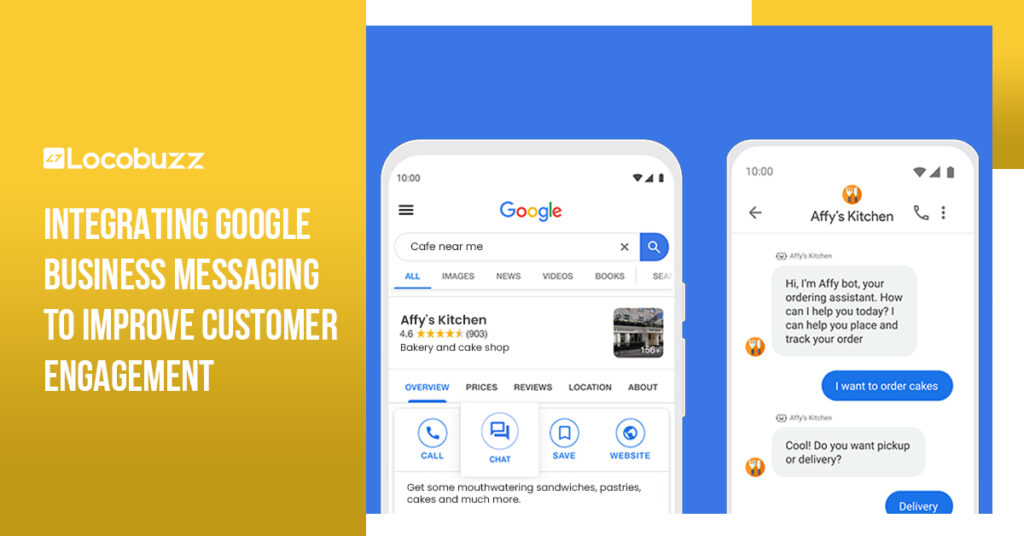
Integrating Google Business Messaging To Improve Customer Engagement How often have you shopped from an online platfrom?  In 2021, the total number of digital buyers was 289 million in India. The number of digital buyers is likely to increase to 378 million by 2025.  In 2021, the total number of digital buyers was 289 million in India. This number of digital buyers is likely to increase to 378 million by 2025. In the ever-evolving Indian market, skyrocketed by the rapid growth of online marketplaces and constant technological advancements, e-commerce has emerged as a vital pillar of the modern economy. It offers both buyers and sellers unprecedented convenience and accessibility, reshaping the way we engage in shopping and conduct business. This dynamic landscape continuously influences our shopping habits and business practices. However, in this modern era, personalisation stands out as a pivotal element in the buyer’s journey. Exceptional eye care brands, for instance, can employ cutting-edge techniques like 3D try-ons, personalised email campaigns, customised promotional offers, and AI chatbots on their websites. These approaches create a tailored shopping experience that resonates with customers. In today’s business world, what truly matters is providing diverse avenues for customers to engage with products, ultimately leading to successful transactions. Amidst all these advancements, it’s essential to recognise that one of the primary tools people use to search for products is Google search. Without the need for any third-party applications, Google search displays products directly, allowing users to seamlessly transition to e-commerce platforms. Herein lies the untapped potential of Google Business Messaging, a component often overlooked by modern businesses. While this feature exists, many brands fail to realise its profound impact on the buyer’s journey. Google Business Messaging represents a critical space where customers can directly connect with brands, making it a key player in creating a seamless and engaging path toward product purchase. Introduction to Google Business Messaging Enter Google Business Messaging (GBM), a game-changer in the realm of customer communication. Imagine a world where your business can connect with customers seamlessly, answer their questions in real time, and even facilitate purchases—all through a simple chat interface. That’s the promise of google business messaging. Whether you’re a tech-savvy marketer or a business owner looking for the next big thing in customer engagement, GBM holds the key to unlocking a new era of connectivity and convenience. How does Google business messaging work? Why do Leading E-commerce sellers have GBM? GBM allows businesses to display a messaging icon directly in Google Search and Maps results. This increased visibility can lead to higher click-through rates and better discoverability. Customers can initiate conversations with businesses directly from Google Search or Maps, eliminating the need to visit the website or make a phone call. This convenience is especially appealing to mobile users. Businesses can use GBM to capture leads and inquiries from potential customers who are actively searching for products or services. This can lead to increased conversions and sales opportunities. Google business messaging is  a tool that can enhance the overall customer experience and contribute to business growth and success. Why do brands use Google Business Messaging? Research & Recommend Brands employ Google Business Messaging to craft immersive customer journeys. This facilitates product exploration with engaging features such as car availability showcased in a carousel, requesting specific product information, and obtaining pricing quotes. It transforms the process of learning about products into a captivating experience. Booking Appointments Google Business Messaging empowers brands to optimise sales and deliver exceptional customer experiences through appointment booking. Customers can seamlessly book test drives or service appointments, enhancing convenience and driving sales. Support Brands leverage Google Business Messaging to provide rapid and top-tier customer assistance precisely when it’s needed. This includes offering personalised support through live agents and employing bots to automate frequently asked questions with rich media elements. It allows customers to engage at their own pace, ensuring a tailored and efficient support experience. Step-by-Step Guide for Setting up GBM Step 1 Verify Your Business on Google Ensure your business is verified on Google My Business. If not, go to the Google My Business website  and follow the verification process. Step 2 Update Your Business Information Log in to your Google My Business account.Click on the location you want to enable GBM for.In the left-hand menu, select “Messaging.”Provide a reliable phone number for customers to reach you. This should be a number where you can receive SS messages. Step 3: Download the Google Business Messages App Download the Google Business Messages app from the Google Play Store or Apple App Store.Log in using the same Google account associated with your business. Step 4: Set Up Automated GreetingsIn the Google Business Messages app, navigate to “Automated Greetings.”Create personalized automated welcome messages for customers.These messages should be warm and informative, guiding customers on how to use GBM to reach you. Step 5: Enable GBM on Your Website If you have a website, integrate the GBM chat widget. Google provides code for this integration.The chat widget will allow customers to initiate conversations with your business directly from your website. Step 6: Train Your Team Ensure your customer support or sales team is trained to respond promptly to GBM inquiries.Familiarize them with the GBM app and its features for efficient communication. Step 7: Monitor and Respond to Messages Regularly check the GBM app for incoming messages from customers.Respond to inquiries promptly, providing helpful and relevant information. Step 8: Gather Feedback and Improve Use GBM’s analytics tools to gather insights into customer interactions.Analyze data to identify areas for improvement in customer engagement. Step 9: Promote GBM to Customers: Let your customers know that they can reach you through GBM. Promote it on your website, social media, and in-store if applicable. Step 10: Maintain Consistency and Quality Ensure that your responses via GBM align with your brand’s tone and values.Aim for a high level of customer service and engagement to build trust and loyalty. Now having this as a great business message experience, one of the essential elements

Google Business Messaging Integration Read More »

Book free demo !

Personal data will be processed in accordance with Locobuzz’s Privacy Policy