Social Listening VS Social Monitoring

Social Listening vs. Social Monitoring: The Difference

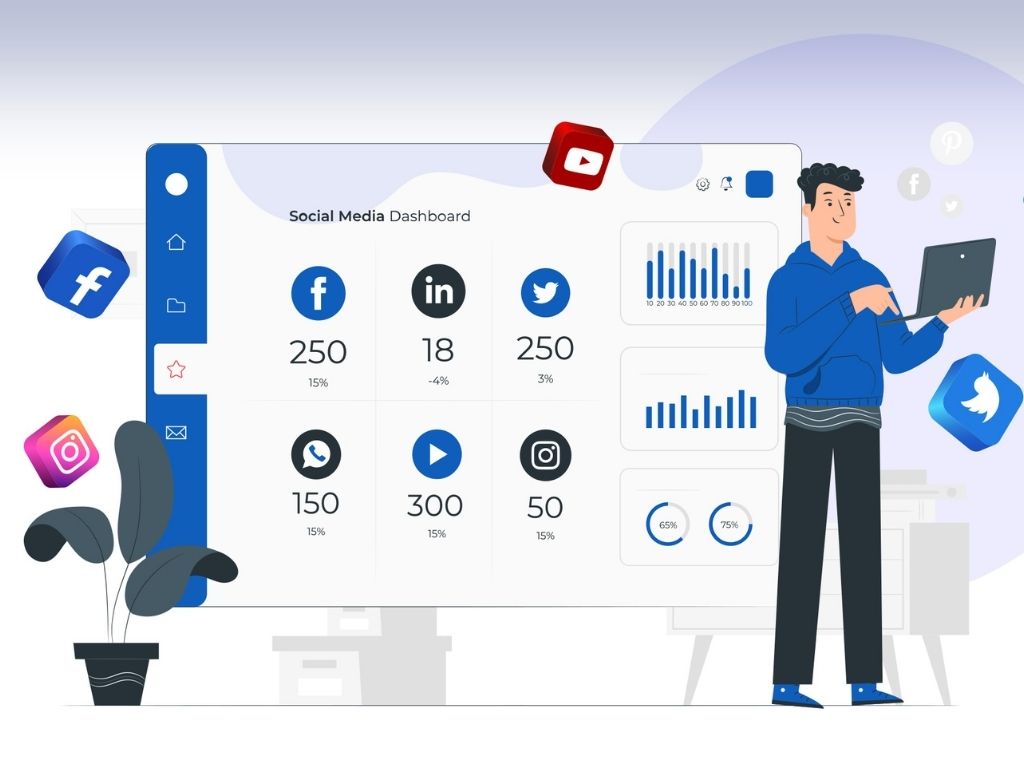
Social Media Monitoring Social media monitoring is the real-time tracking of brand mentions, comments, and pertinent debates across several social media sites. It emphasizes quick involvement in areas such as brand reputation management, customer inquiry response, and complaint handling. Companies utilize it to keep current on public opinions of them so they may respond quickly to comments and complaints. More tactically, this method helps companies handle issues and consumer relations as they develop. Social Media Listening  Conversely, social media listening examines more general patterns, audience mood, and industry interactions than only tracking mentions. It enables companies to find trends, new ideas, and client problems that could guide long-term plans. Social media listening offers rich insights into consumer behavior instead of just reacting, which helps businesses to improve their messaging, create fresh goods, and predict market changes. Monitoring is about controlling instantaneous encounters; listening helps companies make data-driven decisions for the future. Customers continuously post their ideas, comments, and experiences on social media and internet platforms in the digital first world of today.  For companies, knowing what consumers are saying and how they feel is essential for developing brand trust and loyalty; just being present online is insufficient. For companies trying to keep ahead, social media monitoring against listening becomes absolutely vital. Although both methods track online conversation chats, their uses are distinct. Social media monitoring against social media listening is about real-time tracking against in-depth analysis.  Real-time response to a viral complaint by brands made possible by social media monitoring guarantees fast damage control and consumer satisfaction. On the other hand, social media listening picks up repeating problems that can point to a more serious one, including regular complaints about a product feature, which makes a company think about design changes or upgrades. Combining these strategies helps companies to control temporary crises and make smart decisions for long-term success.Knowing when to watch and when to listen can help marketing managers, PR teams, CX professionals, and business leaders enhance customer experience and make data-driven decisions that drive long-term growth. Although they seem to be identical, social listening and social monitoring have different uses in a digital strategy of a brand. Reactive social monitoring records direct mentions, comments, and brand-related interactions to control reputation, answer consumer questions, and help to minimize catastrophes. Conversely, social listening is proactive; it shapes long-term plans by analyzing more general industry trends, customer attitudes, and competitor data.  This difference is especially important for marketing managers and PR teams since Social listening helps audience pain points, sentiment shifts and engagement trends, allowing marketing and PR teams to craft more effective messaging and campaigns. while monitoring helps to maintain brand health in real-time.  Social listening and monitoring. For CEOs and executives, social listening provides competitive insights to drive product innovation, while social monitoring ensures real-time reputation management and customer service improvements. Monitoring guarantees that customer support personnel react to complaints quickly, therefore enhancing brand loyalty and trust. Social listening, meantime, gives leadership teams data-driven insights that enable them to predict changes in the market, create new products, and keep ahead of rivals. Make the impact clearer – Brands that integrate both strategies will enhance their reputation, improve customer relationships, and align marketing, PR, and CX initiatives with evolving consumer expectations. What’s The Difference Between Social Listening And Social Monitoring? Businesses have to properly monitor online interactions in a time when a single viral review, good or bad, can reshape a brand’s reputation overnight. Social media monitoring helps businesses respond in real time to brand mentions, industry trends, and customer concerns before it get larger issues. It lets Customer Support agents, PR teams, and marketing managers quickly spot and answer consumer questions, complaints, or brand references. Keeping a pulse on instantaneous feedback helps companies to control crises, enhance customer service, and preserve their online reputation.  Social monitoring, on the other hand, is reactive and emphasizes what is stated now rather than pointing up more general patterns or future prospects.  Conversely, social listening is a more deliberate method that examines over time industry trends, consumer attitudes, and more general internet dialogues. It clarifies for CEOs, founders, and CX teams consumer pain areas, new market trends, and competitive data. Data-driven insights let companies improve their messaging, expand their product line, and strengthen bonds with their consumers. Unlike monitoring, listening is proactive—it reveals latent trends in customer behavior, so allowing companies to predict changes in the market and act before problems develop. Social monitoring keeps companies relevant; social listening enables them to lead and innovate. Combining both helps companies make sure they are actively influencing the future of their sector rather than merely responding to dialogues.  In the fast-paced digital scene of today, investing in the correct tools and techniques for monitoring and listening will help companies have a competitive edge. This explains social media monitoring vs listening Also read: The Power of Social Listening for the Education Industry Important Contrasts: Social Monitoring Vs. Social Listening Brands trying to make data-driven decisions must first understand the differences between social listening and social monitoring. Although they track online interactions, their aims are different. Their comparisons are as follows: Competitive intelligence depth  Social listening:  offers a thorough industry study, tracking of rival attitude, new trends, and  market gaps. This enables companies to improve positioning and spot fresh prospects. Social Monitoring: Focusses on direct references, consumer comments, and brand involvement in social monitoring but does not offer a thorough understanding of competition tactics. Revenue Impact Social Listening: Spotting consumer requirements, driving product innovation, and enhancing the whole customer experience drives business development. It also supports future demand forecasting analytics in general. Social monitoring: Prevents income loss but does not actively create new income sources, therefore supporting crisis management and brand reputation. Data Use & AI Social Listening: Uses sentiment analysis and artificial intelligence-driven natural language processing (NLP) to find trends in unstructured data, therefore providing deeper insights. Social monitoring: Social monitoring lacks sophisticated AI-driven interpretation of sentiment and context but depends on keyword tracking and

Social Listening vs. Social Monitoring: The Difference Read More »
What is the role of ORM in digital marketing?

With businesses investing rapidly in the digital marketing realm, it is critical to understand its advantages and disadvantages. By controlling online reviews, addressing consumer comments, and preserving a good reputation, ORM in digital marketing helps firms develop trust. ORM meaning in digital marketing With businesses investing rapidly in the digital marketing realm, it is critical to understand its advantages and disadvantages. The Indian digital advertising industry is set to grow at 31% CAGR, reaching Rs. 51,110 crore by 2024 from Rs. 29,784 crore. The overall Indian advertising market, currently at Rs. 85,769 crore, is expected to expand by 15.07% to Rs. 1,13,575 crore by 2024. With the incredible increase in digitalisation, engagement has spiked. This has created opportunities for both positive and negative feedback from the audience. It takes a second for one comment or a bad review to go up online and damage your reputation. It is indeed an arduous task to manage an excellent reputation online. What Is Online Reputation Management? Online reputation management (ORM) involves monitoring, influencing, and maintaining a brand’s or individual’s online presence. It includes managing bad comments, supporting good material, and guaranteeing a good online reputation. Across search engines, social media, and review sites, ORM enables companies to establish a reputation, boost customer confidence, and control public view. What is the role of ORM in digital marketing? ORM handles online reviews, interacts with customer comments, and develops reputation and confidence. It affects consumer choices and increases a brand’s internet visibility. Businesses investing in ORM saw a 25% sales increase, highlighting its importance in protecting brand image. Businesses have a determining motive and perspective when creating a company. When presented online to a mass viewership, how do these viewers perceive your business? This is an important question to ask.  ORM alludes to a process that incorporates monitoring, addressing, or mitigating SERPs (search engine result pages) and social media comments. With the tremendous growth in digital marketing, it is now easy for businesses to have a decent digital presence (website, social media handles). Regardless, let’s not forget the competitors who tarnish the organization’s reputation with negative reviews and criticism. Monitoring involves scanning the internet, social media, reviews, forums, and news for brand mentions. ORM, assists businesses in establishing and maintaining a positive brand image on the internet. You can easily deflect and minimize the prominence of any critical attacks on your image. If any of your personal information is leaked online, ORM helps remove such data from public databases, known as “people search” databases. Also read: Here are the top 10 best practices for the same. Below mentioned are the features of ORM platforms that you should consider before investing in one: Monitor your Online Reputation in real time Detailed Analysis of your brand perception in the community Competition benchmarking abilities Crisis management ORM stands for Online Reputation Management in digital marketing. It refers to the practice of monitoring and improving the way a brand or individual is perceived online. Emerging ORM Trends in 2025 In 2025, ORM is no longer just about crisis control it’s a strategic function impacting brand equity, stakeholder trust, and revenue growth. Here are some key trends shaping ORM this year: AI-Powered Sentiment Analysis—AI-powered sentiment analysis enables brands to quantify public perception, proactively mitigate risks, and fine-tune messaging based on real-time consumer sentiment. Personalized Consumer Engagement—B2B brands leverage data-driven engagement to build stronger client relationships, ensuring that high-value accounts receive tailored communication that enhances loyalty and advocacy. Influencer & Employee Advocacy—Businesses are leveraging influencers and employees to enhance credibility and trust. Crisis Management Automation – AI-driven ORM in digital marketing tools helps brands respond swiftly to reputation threats. Voice & Video Reviews—As audio and video content increase, managing non-text reviews is becoming crucial. Decentralized Web & ORM—Web3 and blockchain are influencing how online reputations are managed transparently. Ethical ORM Practices – Consumers demand more authenticity, pushing brands toward honest, value-driven communication. Companies with strong reputations can attract better partnerships, and close deals faster. ORM is no longer an isolated function but a key driver of business valuation.  LOCObuzz is a powerful ORM tool that helps businesses monitor and manage their online reputations efficiently. Its features, such as real-time feedback analysis and sentiment tracking, enhance customer engagement. Read more reviews from real users here: LOCObuzz Reviews on G2. Case Study: Improving Local Objectives Buzz with Customer Experience One of the top private-sector banks teamed with Locobuzz to improve its customer experience approach. By using Locobuzz’s unified digital customer experience management system, the bank greatly improved customer involvement and operational efficiency. Through improved social media activity, the bank produced at least 700 fresh leads per month across several verticals, including credit cards and personal loans. The bank’s sentiment uplifting score rose by 35%, in line with better customer impressions. Mapping comments against over 50 items and 850 sub-products helps the dashboard deliver real-time insights on online funds and business KPIs, thereby obtaining important customer feedback. These findings highlight how well-integrated advanced ORM solutions such as Locobuzz change consumer experience tactics. See the complete case study for additional specifics. Expert quotes highlight the critical role Online Reputation Management (ORM) plays in today’s digital landscape. Industry leaders emphasize its importance in building trust, enhancing customer relationships, and protecting a brand’s image. Here’s a valuable insight: “In today’s digital world, your online reputation is your brand’s most valuable asset. ORM is no longer a luxury; it’s a necessity for businesses of all sizes.” – John Jantsch, Marketing Consultant & Author Online reputation has a significant impact on customer trust, with negative reviews potentially damaging a brand’s credibility. Implementing an effective ORM strategy helps improve search visibility, ensuring that positive content ranks higher. Customer feedback plays a crucial role in driving business growth, while social media shapes public perception of a brand. E-commerce brands, in particular, require proactive ORM to stay ahead in a competitive market. Review monitoring tools assist in managing and protecting a brand’s online reputation, while fake reviews can harm conversion rates. ORM also

What is the role of ORM in digital marketing? Read More »

tbf-meaning

What does TBF stand for?

What does TBF stand for? You’re chatting online with friends when someone else joins the conversation and leads off with “Tbf.” What does that mean?  TBF stands for “To be fair,” commonly used to indicate that someone’s trying to be open-minded, fair, or to present another point of view. Meaning of “TBF” “TBF” is an abbreviation for “to be fair.” It is mostly used in online discussions to introduce an alternative point of view or perspective that may have been overlooked.  People commonly use it to make another point in a debate, provide more background for the message, or advance an opposing argument.  It encourages a balanced discussion by acknowledging other sides of an argument or topic. This phrase expresses the idea that the person making it has considered a few factors about the situation and will try to speak on the matter fairly. The History of “TBF” The phrase “to be fair” has been part of the English language for a long time before its abbreviation to TBF.  This initialism came into the scene in the 1990s and 2000s as internet chatrooms and instant messaging were becoming popular so that people could express their ideas more rapidly.  TBF came in very handy in fast environments of the internet, which required brevity. The first definition of TBF, meaning “to be fair,” was submitted to Urban Dictionary in 2005. Since then, it has become a popular term across many online platforms, especially on active message boards like Reddit and in group messaging apps such as Discord. TBF is used often in the presentation of alternative points of view, providing context to discussions or diluting criticism, thus making sure that conversations are fair.  This usage reflects the need for effective informal communication that encourages thoughtful Discourse. How is TBF used on social media? The social media user often uses the acronym “TBF,” which means “to be fair.” It simply introduces a better perspective on a subject or brings in more detail that changes how previous words are interpreted, thereby giving credit to both sides of a situation.  For example, one person may say, “TBF, the movie had some great cinematography, but the plot was weak.”  In this instance, “TBF” is used to emphasize something positive (the cinematography) before addressing a criticism point (the weak plot). “TBF” is oftentimes used in online conversations, comments, or debates, especially if there are different opinions or points of view. It brings a subtler appreciation of topics, and participants learn to handle discussions with respect and fairness for each other. Why Do People Use TBF? People can use “TBF” to establish a balance in online forums. It is a more convenient way of presenting something new or to soften criticism. It shows that you value fairness and are prepared to consider different perspectives.  1) Efficiency: “TBF” enables faster communication through social media posts and chats, thereby making it easier to pass on subtle ideas without having to explain them in detail. 2) Thoughtfulness: Using “TBF” in your messages will make your arguments seem more thoughtful and less confrontational. 3) Promoting Discussion: By accepting different sides of an issue, “TBF” encourages a more open and constructive discussion, making others feel comfortable sharing their thoughts without being defensive. 4) Difference from “TBH”: Though close to “to be honest” (TBH), TBF stresses fairness over honesty, as it tries to give a balanced view rather than a personal truth. Thus, using “TBF” can enrich conversations by promoting understanding and respect among participants. Is Using TBF Appropriate in All Situations? While TBF (to be fair) is very useful in so many online discussions, sometimes it should be applied by considering the context.  There are times when this seems more applicable: During informal discussions with peers or in informal settings. When giving opinions or personal views that require truthfulness. In turn, TBF may be less applicable for professional or formal communication, where the response would be more refined and more detailed.  Careful use of acronyms like TBF ensures clarity and appropriateness in a variety of contexts. Use in Online Discussions “TBF” is used very often in online arguments or heated discussions. For example, when it is intensely argued that some people swear by folding their pizza slices to eat them, while others prefer to hold them flat or even use utensils.  This can lead to humorous insights about the “correct” way to enjoy a slice! Other Meaning In other scenes, “TBF” also means “to be frank” which is a paraphrasing of “to be honest.” It is very important to differentiate “TBF” from “TBTF” which means “too big to fail” a term in finance stating that some corporations are just too large and would lead to the collapse of the economy if they were to fail. By understanding all these short forms, it becomes easier to engage in conversations and appreciate how the different uses of TBF enrich them. Here are Some Examples of How “TBF” Can be Used:    “TBF, the acting was great, but the plot had too many twists”  “TBF, both sides have valid points regarding the issue”  “TBF, I didn’t like the movie” “I think, TBF, we could have chosen a better place to stay” “TBF, I haven’t tried the restaurant myself, so I can’t say about it”  “TBF, she hasn’t done anything bad to me” “TBF to him, he has a lot of amazing ideas, he will just need help executing them.” “TBF, the quality of paper bags has been better in the last few years.” “TBF, you’ve hardly slept in the last week. You should take a day off” Wrapping Up In a Nutshell, “TBF” helps individuals to introduce the issue of balanced perspectives on various subjects and acknowledge and admit other people’s views. Today, It is widely in use across social media tools, chat applications, online forums, and other electronic messaging tools where it mitigates criticism and fosters good thinking dialogue. People engage in the conversation by demonstrating an element of fairness to balance their arguments and

What does TBF stand for? Read More »

1437-meaning

What does 1437 mean?

What does 1437 mean? Meaning of “1437” In today’s fast world, communication has become so concise that it is now dependent on numbers and abbreviations to express feelings and information rapidly. The number “1437” is a numerical code for the phrase “I love you forever.” Each number in the code corresponds to the number of letters in the corresponding word in that expression. “1437” is an Internet short form meaning “I love you forever,” with each digit representing the number of letters in each word of the phrase.  “1437″ is a numeric short for the phrase “I love you forever,” in which each number corresponds to the letter count of each word:  ‘1’ for “I”  ‘4’ for “love”  ‘3’ for “you”  ‘7’ for “forever.” While the idea of using numbers to express love isn’t new starting from the simpler “143” for  “I love you” adding “7” emphasizes the idea of “eternal love”. As a parent, if this code is received from your child, you can be pretty sure that they are just expressing their love and not divulging any secret information. There is no hidden or confidential meaning to “1437”; it is simply a way for your child to tell you that he loves you. This is an innovative numerical expression that has gone viral, especially on platforms such as TikTok and Instagram where younger users use it as a new way of saying they love someone. Still, the trend of using shorter and abbreviated messages has long been popular and makes it easier for users to communicate quickly and effectively. How to Use “1437” on Social Media Here are Some examples of how you could apply “1437” in your social media relationships: 1) Express Affection: Put the term “1437” on your posts or comments in the message to express very much care for friends, family, or even lovers.  As an example, “Happy anniversary! 1437”. 2)  Casual Conversations: For an informal tone of chatting or in a comment you can say “I love you forever” as “1437.”  This is specifically trendy with the youth when using acronyms as they communicate digitally. 3) Creative Content: Use “1437” in your content on posts, for instance, images, or videos talking about love and affection, could use it as a captioning word or a hashtag (like #1437). 4) Memes and Trends: Join in on the viral trends using “1437.” You can make memes that will attract attention to this phrase.  Entertainingly engage your audience as you propagate love. You can express the deep feeling you have with the help of “1437,” engaging your social media community in a contemporary and relatable way. Wrapping Up In a nutshell, “1437” is a modern numeric term with an ageless message: “I love you forever.”  It is based on pager codes and reflects the number of letters for each word. This phrase explains how language changes with advancing technology.  To communicate better with the younger generation, parents should learn such slang used by teens. So, Have you encountered any other interesting slang terms? Share them below!

What does 1437 mean? Read More »

Digital Marketing Youtube Channels

Top 20 Digital Marketing YouTube Channels in India

Top 20 Digital Marketing YouTube Channels in India Because more individuals are going on to the internet every day, marketers must learn how to effectively communicate with clients through digital media, in the form of what is now commonly known as digital marketing. Fortunately, a slew of skilled YouTubers have emerged, eager to offer their expertise in this field. Some producers stand out among the countless channels because their work is consistently engaging and educational. They deliver informative knowledge to viewers through tutorials, approaches, and industry updates that mix theory and real-world case studies to assist them in improving their digital undertakings. These influencers cover all aspects of digital marketing, from social media management to search engine optimisation. They work with marketers of all skill levels to help them enhance their performance and comprehension. Prepare to be inspired by these leading educators who are shaping the future of digital disruption in India! 1. Neil Patel Neil Patel, a well-known figure in the field of digital marketing, has had a remarkable career marked by dedication and learning from errors. Despite his losses, he was able to learn from them and go on to become one of today’s most successful businessmen, noted for his industry leadership and the creation of several brands and products. Neil’s highly respected YouTube channel has a wealth of information and ideas that have benefited many hopefuls.In brief yet captivating videos, he delves into crucial topics such as SEO, content marketing, and social media tactics. With over 1 million subscribers and 31 million cumulative views, his channel is one of the top resources accessible for marketers worldwide, offering all of the necessary information to take brand marketing endeavours to the next level. 2 Sahil Khanna Sahil Khanna, a smart digital marketer and entrepreneur, has established himself with his successful YouTube channel “Intellectual Indies.” His journey from an engineering graduate to a well-known figure in the world of digital marketing demonstrates his tenacity and versatility. Sahil’s diverse skill set, which ranges from video creation and editing to digital marketing strategies, illustrates his commitment to lifelong learning and improvement. Sahil’s platforms inspire many people to pursue their entrepreneurial dreams while also providing invaluable experience. Sahil has established himself as an industry leader, assisting ambitious business owners and digital marketers to thrive with a combination of creativity, humour, and expertise. 3 Sorav Jain Sorav Jain is a well-known figure in the Indian digital marketing industry, based in Chennai, and a trainer, speaker, author, and lecturer. As the founder of the well-known digital marketing business echoVME, Sorav leads a team of competent social media strategists who achieve big results for a diverse range of clients. His belief in the significance of hands-on experience inspired him to start Digital Scholar, India’s first agency-style digital marketing institute, which now offers in-depth teaching across more than eighteen programmes. Sorav has been recognised as one of Social Samosa’s best under-30 social media marketers and one of the Global Youth Marketing Forum’s top 25 social media professionals in India. Sorav is a well-known and recognised figure in the industry, having trained over 100,000 individuals and spoken at prestigious institutions and industry conferences. In addition, he writes extensively; books such as “Become a Brand” and “101 Content Marketing Tips” have helped him gain prominence in the sector. Sorav continues to share his extensive knowledge and expertise in digital marketing, leadership, and entrepreneurship via his YouTube channel and other venues. He has a remarkable internet presence, including a blog with 300,000 unique readers per year and a substantial social media following. 4 Digital Dhairya Digital Dhairya provides professional insights, actionable techniques, and useful guidance to help you achieve your digital marketing goals. This channel contains something for everyone, regardless of expertise or interest in marketing. A wide range of topics are covered to ensure you have all of the information and resources you need to succeed, including in-depth tutorials and case studies, interviews with industry experts, and live Q&A sessions.However, community is equally vital as education. Like-minded professionals get together on this dynamic channel to discuss ideas, ask questions, and offer mutual support as they strive for success. This is a welcoming community where you can seek advice, criticise, or simply find inspiration. 5 HBA Services Take a journey into the realm of digital entrepreneurship and online earning with HBA Services, the brainchild of visionary Hafiz Basit Ali. By watching the YouTube channel, you can discover a world of endless options, with each video providing critical analysis and advice. HBA Services, with over 1.56 million viewers and 1,177 training videos, is the ideal location to learn successful digital marketing strategies. Their content is intended to suit the needs of both experienced business owners and those just starting out who want to construct a successful online career. It contains comprehensive tutorials on internet businesses as well as professional advice on increasing profitability. Become a part of the dynamic community and start your road towards financial freedom and fulfilment now. 6 Ankur Aggarwal Ankur Aggarwal has been a prominent figure in the online marketing industry since 2010. He is dedicated to helping others achieve success in digital marketing and online revenue generation. As part of his commitment to spreading wisdom and knowledge, Ankur publishes a free video lecture on his YouTube channel every month. With ten years of experience, his channel is an excellent starting place for anyone wishing to get into digital marketing. Don’t delay; register right away to begin your journey to financial success and reach your full potential in the field of digital marketing. 7 WsCube Tech WsCube Tech, a leading vernacular upskilling platform, is revolutionising the professional skill development sector. Recognising the obstacles faced by job searchers across the country, particularly the lack of effective mentorship in native languages and a scarcity of resources, WsCube Tech has become a beacon of hope for a large number of talented individuals. WsCube Tech ensures that language is never an impediment to learning by offering technology-enabled, job-oriented training packages

Top 20 Digital Marketing YouTube Channels in India Read More »

indian messaging apps

Top 15 best Indian messaging apps

Top 15 best Indian messaging apps Messaging apps have become part of our daily lives. While global giants dominate the market, India also has homegrown messaging platforms ready for the unique needs and preferences of the population. These Indian messaging apps not only offer innovative features but also reflect the language diversity of the nation. Prime Minister Narendra Modi himself has highlighted the significance of supporting Indian apps, often recommending Indian messaging apps as part of the nation’s digital empowerment initiatives. With a focus on privacy, security, and localization, these platforms are getting more popular and trustworthy among Indian users. Let’s dive into the top 15 Indian messaging apps that exemplify the spirit of ‘Make in India’ and contend the popular messaging apps. Sr. No App Name Ratings Downloads 1 Finixapp  4.6 100k+ 2 Dome  4.6 10k+ 3 Achat 4.5 1M+ 4 Zoho Cliq  4.5 500k+ 5 FRND 4.4 10M+ 6 Pepul 4.4 1M+ 7 Troop Messenger 4.4 10k+ 8 Alyke 4.3 500k+ 9 Share Chat  4.2 10M+ 10 Elyments  4.2 1M+ 11 Jio Chat 4.1 50M+ 12 Here 3.9 100k+ 13 IndiaChat 3.8 500k+ 14 Sandes 3.7 1M+ 15 Tokee: Messenger 3.7 100K+ Top 15 Best Indian Messaging Apps 1. Finixapp Rating: 4.6 stars Downloads: 100k+ Finixapp is a social network messaging app that was started in the year 2019 by Harshvardhan Mahendra Jadhav and Mahendra Pundlik Jadhav. It offers instant access to posts, chats, comments, and more from friends, family, and pages. It’s a platform to share texts, news, images, and videos. It’s available only on playstore. 2. Dome- India ka Messaging app! Rating: 4.6 stars Downloads: 10k+ Dome, available on both Apple App Store and Play Store, is a messaging app for professional businesses that was developed in 2021 by Volare Technologies Pvt. Ltd.! It enhances communication efficiency and focus, going traditional email, SMS, and chat apps. 3. Achat Rating: 4.5 starsDownloads: 1M+Achat by AnomyChat Inc is a free social and communication app designed for Indian users. It provides a safe environment for making friends and socializing, available on both Apple App Store and Play Store. 4. Zoho Cliq Rating: 4.5 starsDownloads: 500k+ Relaunched as Zoho Cliq in 2017 and founded by Sridhar Vembu Tony Thomas, Zoho Cliq offers a secure chat platform for business conversations, complemented by video conferencing and customizable messaging channels. It serves as an essential communication tool for organizations, accessible on both Apple App Store and Play Store. 5. FRND Rating: 4.4 starsDownloads: 10m+Founded in 2019 by Bhanu Pratap Singh Tanwar, Hardik Bansal, Harshvardhan Chhangani, FRND is a platform focused on forming new friendships online through chatting and video calls. Unlike traditional messaging apps, FRND encourages users to connect with new people, exclusively available on Play Store. 6. Pepul Rating: 4.4 starsDownloads: 1m+Founded in 2020 by Suresh Kumar G, Pepul Chat is the fastest Indian messaging app that prioritises safety while enabling users to share photos and media files seamlessly. It’s an ideal choice for staying connected with loved ones, and is accessible on both Play Store and Apple App Store. 7. Troop messenger Rating: 4.4 starsDownloads: 10k+Troop Messenger was founded in 2017 by Sudhir Naidu, and it streamlines business communication and task management within organizations. It offers efficiency, security, and user-friendliness, catering to teams’ collaboration needs, available on both Apple App Store and Play Store. 8. Alyke Rating: 4.3 starsDownloads: 500k+Alyke is a social and communication platform that was founded in 2023 by Mr Jyotiraditya Vajpayee, and facilitates friendships based on shared interests. It’s India’s first friendship app, connecting users with like-minded individuals, exclusively on Play Store. Harness the Power of Social Media Monitoring with locobuzz! Book a free demo 9. Share Chat Rating: 4.2 starsDownloads: 100m+ShareChat, founded in 2016 by Ankush Sachdeva, Bhanu Pratap Singh, Farid Ahsan, is an Indian social networking service platform offering multimedia sharing and communication features. It’s widely popular among Indian users, accessible on both App Store and Play Store. 10. Elyments Rating: 4.2 starsDownloads: 1m+Founded in 2020 by Sri Sri Ravi Shankat, Elyments is a social networking app, that is a one stop shop for enabling various interactions such as messaging, sharing updates, and networking. You can connect and communicate with friends, share updates, find like-minded people, and make seamless voice and video calls. Launched by the then Vice President of India, M Venkaiah, it’s available on both Play Store and App Store. 11. JioChat Rating: 4.1 starsDownloads: 50m+JioChat, launched by Reliance Jio Infocomm in 2015 is a messaging and video calling app catering to Android, iPhone, and JioPhone users. It offers rich communication features and is available on App Store, Play Store, and Jio Store. 12. Here- Talk, Text, Watch Rating: 3.9 starsDownloads: 100k+Here is more than just a messaging app. It was founded in 2020 by Jesse Boyes, Seth Harris and allows users to design custom chat rooms with backgrounds, enabling interactive voice and video calls, and even watching videos or playing games within the app. It’s designed for close friends’ online hangouts, and is available on both App Store and Play Store. 13. IndiaChat App Rating: 3.8 starsDownloads: 500k+IndiaChat App is a simple text-based chat app developed by Pitara, for Indians to connect and make friends online, with features like multimedia sharing and voice/video calls. It is available exclusively on Play Store. 14. Sandes Rating: 3.7 starsDownloads: 1m+Sandes is an Indian state-owned instant messaging platform developed by the Government of India in 2023, that is hosted exclusively on Government infrastructure and adheres to Indian regulations. It is available on Android, iOS, and web browsers. 15. Tokee: Messenger Rating: 3.7 starsDownloads: 100k+Founded by DEUCETEK LLC, Tokee offers messaging and video calling features, aiming to connect people globally while allowing story sharing and editing within the app. It is fast, fun, simple, and reliable. It’s available on both App Store and Play Store. What are Indian Messaging Apps? Indian messaging apps are communication platforms developed and operated within India. These apps fulfil the communication and messaging need of the Indian population, often incorporating features

Top 15 best Indian messaging apps Read More »

Top 25 Most Viewed Indian YouTube Videos

Top 25 Most Viewed Indian YouTube Videos

Top 25 Most Viewed Indian YouTube Videos YouTube has become a critical entertainment, educational, and connectivity tool, serving content ranging from nursery rhymes to music videos. Of so many videos available, Indian content creators emerged as one of the most significant contributors, creating interesting stuff audiences find engaging. This ranges from music videos and movie scenes to funny sketches and children’s content. Here we are going to present the top 25 most-viewed Indian YouTube videos, with billions of views, which impressed viewers across all of India. Top 25 most viewed Indian YouTube videos – 2024 Sr.No Channel Name  Title of the video Views  1 ChuchuTV Nursery Rhymes & Kids Songs Phonics Song with TWO Words 6.1B 2 Jingle Toons Lakdi ki kathi  4.2B  3 T-Series Bhakti Sagar Shree Hanuman Chalisa 4.1B 4 Kiddiestv Humpty the Trains on a Fruits Ride 4B 5 Infobells Chal Chal Gurram 2.8B 6 ChuChuTV Nursery Rhymes & Kids Songs Johny Johny Yes Papa 1.9B 7 ChuChuTV Nursery Rhymes & Kids Songs  ChuChuTV Numbers Song 1.9B 8 Khandeshi Movies Chotu ke Golgappe 1.8B 9 Desi Records 52 GAJ KA DAMAN 1.6B 10 T-Series Vaaste 1.6B 11 Jingle Toons Nani Teri Morni ko Mor le Gaye 1.6B 12 The Folk & Soul Studio Zaroori Tha 1.6B 13 Wunderbar Films Maari 2- Rowdy Baby 1.6B 14 T-Series Apna Punjab Laung Laachi Title Song 1.5B 15 ChuChuTV Nursery Rhymes & Kids Songs  Surprise Eggs Nursery Rhymes 1.5B 16 ChuChuTV Nursery Rhymes & Kids Songs  The Finger Family Song 1.4B 17 T-Series  Lut Gaye 1.4B 18 VideoGyan Nursery Rhymes & Kids Learning Songs Family Finger Collection 1.4B 19 Zee Music Company Mile Ho Tum Humko- Reprise 1.3B  20 T-Series  DILBAR 1.3B 21 T-Series  Cham Cham 1.2B 22 T-Series  SIMMBA: Aankh Marey Lyrical  1.2B 23 T-Series  High Rated Gabru 1.2B 24 T-Series  Bum Bum Bole 1.2B 25 T-Series  Lahore 1.1B 1. Phonics Song with TWO words by ChuchuTV Nursery Rhymes & Kids Songs https://youtu.be/hq3yfQnllfQ?feature=shared ChuChu TV’s “Phonics Song with Two Words” is an entertaining educational resource designed to support early learning of the alphabet and phonics in children. The video features colorful animations and lively characters that introduce each letter, completing two corresponding words for kids easily to learn the sounds associated with these letters. As the tune plays, children are prompted to sing along, making participation and retention of material more effective. The fun visuals and rhythmic words make learning a fun process, which promotes early literacy engagingly. It is because of the dedication of ChuChu TV to creating entertaining educational content that this phonics song is popular among parents in supporting their children’s learning. 2. Jingle Toons – Lakdi ki kathi https://www.youtube.com/watch?v=3bLfzgZ-wO8&pp=ygUObGFrZGkga2kga2F0aGk%3D The music video of “Lakdi Ki Kathi” from Jingle Toons is an animated version of the popular Hindi children’s song. It has happy animations that explain the playfulness of the horse and its adventures, making the catchy lyrics of this song about a wooden stick and a horse. The characters can dance and sing along with the rhythmic tune to encourage children to join in. This has made “Lakdi Ki Kathi” an interactive experience that is fun to follow. The colorful visuals along with the fun have made the song a favorite among little children. It is a wonderful addition to children’s playlists as the music piece is enjoyable, and it reinforces cultural heritage. 3. T-Series- Shree Hanuman Chalisa https://www.youtube.com/watch?v=AETFvQonfV8 T-Series’ music video “Shree Hanuman Chalisa” is a devotional version of the Hindu chant that is reverently devoted to Lord Hanuman. The video is sung by Hariharan and incorporates traditional visuals with serene imagery, reflecting the deep spiritual significance of the chant. There are some beautiful animations and scenes of Hanuman’s strength and devotion as the verses unfold. The video is not only a musical offering but also an inspirational piece for devotees, spreading peace and well-being through the recitation of the Chalisa. This rendition, with its spiritual depth and melodic composition, has garnered millions of views and deeply resonated with the audience who seek solace and devotion. 4. Kiddiestv – Humpty the Trains on a Fruits Ride https://youtu.be/138nNxXUJXw?si=0DwWXXuGy4wRT_GH One of the entertaining and educating rides for young kids is the Kiddiestv animation called Humpty the Train on a Fruits Ride video. This excellent episode takes Humpty the Train on an interesting journey while introducing children to many fruits in a playful manner. With beautiful animation and songs that attract children, they will get to know who Humpty’s fruit friends are and their characteristic features. Videos involving entertainment like singing songs, and then teaching kids about fruits in playful ways, make them very ideal resources for very early education. 5. Infobells – Chal Chal Gurram https://youtu.be/s_GAqfmQK-g?feature=shared This is Chal Chal Gurram by Infobells-a lively Telugu rhyme that brings the feel of horse riding and fun for young children. Cheerful melodies and engaging visuals capture the imagination of kids about the thrill of horseback riding. This fun-to-come rhyming can’t only be entertaining but could also teach children to care for animals and to have adventures outside. The lively animated visuals combined with a catchy melody make sure that these kids would love singing the song as they learn of the excitement of riding a horse. 6. ChuChuTV Nursery Rhymes & Kids Songs – Johny Johny Yes Papa https://youtu.be/kHSFpGBFGHY?si=VmproGX7eASSovsP&utm_source=adwords&utm_medium=ppc&utm_term=locobuzz&utm_campaign=Locobuzz&gclid=CjwKCAjw0aS3BhA3EiwAKaD2ZRAU6fC-etpbXNgCGDyZMskC2qBbRZXvjX3O4Gc0-yAxchiMh20OixoC_GEQAvD_BwE The Johny Johny Yes Papa video by ChuChuTV is a fun and engaging animated rendition of the nursery rhyme that will capture the attention of young children. This playful song tells the story of how Johny is caught eating sugar by his father, who then delivers a humorous speech on the theme of honesty and playful mischief. The bright animations and catchy tune make it easy for kids to sing along and enjoy the story. This video not only entertains but also serves as a valuable tool for teaching children about honesty in a lighthearted way. With its cheerful visuals and memorable lyrics, it has become a favorite among young audiences. 7. ChuChuTV Nursery Rhymes & Kids Songs –

Top 25 Most Viewed Indian YouTube Videos Read More »

Customer Experience Budget Planning

5 Steps to Secure a CX Budget as the Fiscal Year Closes

This blog topic is a goldmine for engaging business leaders and managers who are eager to enhance their customer experience but might be navigating the tricky waters of budget approval. As the fiscal year draws to a close, it’s important for businesses to allocate budgets towards enhancing the customer experience. Discover the top 5 steps to Customer Experience Budget Planning. Customer Experience Budget Planning 1. Assess and Prioritize CX Initiatives In the bustling world of business, where customer satisfaction is the cornerstone of success, honing in on where your CX (Customer Experience) can leap from good to great is paramount. But here’s the kicker: not all improvements are created equal, and not every shiny new CX initiative is worth your dime—or your time. So, how do you sift through the endless possibilities to pinpoint the changes that will truly move the needle? Let’s break it down. Identifying Key Areas of Improvement in Your Customer Experience First things first, you’ve got to play detective in your own business. This means taking a hard look at your current CX setup and asking the tough questions.  Where are your customers most frustrated?  What complaints are popping up time and again?  What’s your churn rate looking like?  What is the response time when a customer reaches out for support?  Are they left waiting, growing more frustrated by the minute? How personalized is the customer experience you’re offering? How consistent is the customer experience across all your channels?  Are your customers repeating themselves to multiple representatives, or is their information seamlessly passed along within your organization? Is the feedback from your customers being actively used to make tangible improvements, or does it feel like their concerns are disappearing into the void? How do your customers rate their experience with your business? Are they promoters, passively satisfied, or detractors? Tools like customer surveys, feedback forms, and social media listening can be your best pals here. But don’t just stop there—dig into your customer service data, analyze those support tickets, and look for patterns. It’s all about finding the pain points that, if alleviated, could transform a customer’s journey from meh to memorable. But it’s not all about fixing what’s broken. Keep an eye out for opportunities to innovate and add value to the customer experience in ways your competitors might not have thought of. Maybe it’s a smoother checkout process on your e-commerce site, a more personalized shopping experience, or a faster response time to customer inquiries. Innovation is the name of the game here. Prioritizing Initiatives Based on Impact and Feasibility Now, you’ve got a list of potential CX upgrades longer than a CVS receipt. Great! But here’s where the rubber meets the road: prioritization. Not all initiatives are going to give you the bang for your buck that you’re hoping for, and let’s be real—resources are finite. You’ve got to play it smart. Impact: Start by evaluating the potential impact of each initiative. Which improvements are likely to significantly enhance customer satisfaction and loyalty? Which ones have the power to boost your Net Promoter Score (NPS), reduce churn, or increase customer lifetime value? These high-impact initiatives should bubble to the top of your list. Feasibility: But impact isn’t the only game in town—feasibility matters too. Consider the resources required for each initiative: budget, time, and manpower. Some ideas might be gold but require a Herculean effort to implement. You need to strike a balance between the potential impact and what’s actually achievable with the resources you have. Sometimes, quick wins that are easy to implement can set the stage for more complex, long-term projects. By meticulously assessing and prioritizing your CX initiatives, you create a focused, strategic approach to enhancing customer experience. This not only ensures that you allocate your resources wisely but also builds a compelling case for securing that all-important CX budget. After all, when you come to the table with a plan that’s both impactful and achievable, you’re much more likely to get the green light from those holding the purse strings. And there you have it—the first crucial step to securing your CX budget. By identifying key areas of improvement and prioritizing initiatives based on their impact and feasibility, you’re well on your way to making a case that’s as persuasive as it is practical. Stay tuned for the next steps, where we’ll dive deeper into how to turn this strategic vision into a budget-winning proposal. 2. Build a Data-Driven Business Case In the quest to secure a CX budget, wielding a sword of data can help you cut through any skepticism or hesitation from the powers that be. It’s all about showing, not just telling, why investing in customer experience is not merely a cost but a strategic move that pays dividends. Here’s how you can gather concrete data and use it to craft a persuasive argument. Gathering Concrete Data to Demonstrate the ROI of Investing in CX First up, let’s talk about the treasure hunt—digging up the gold nuggets of data that will make your case undeniable. Here are some key metrics and data points to focus on: Customer Satisfaction Scores (CSAT) Net Promoter Scores (NPS), and Customer Effort Scores (CES): These metrics are direct indicators of customer satisfaction and loyalty. Showcasing improvements in these areas can directly correlate with increased revenue and reduced churn. Churn Rate: Illustrating how enhancements in CX can lead to a reduction in churn rates can be a powerful argument for investment. Highlighting the cost of acquiring new customers versus retaining existing ones can also add weight to your case. Customer Lifetime Value (CLV): Demonstrating how improving CX can increase the lifetime value of customers by encouraging repeat business and loyalty is a key data point. Conversion Rates: Show how specific CX improvements have led to higher conversion rates in case studies or industry reports. Operational Costs: Highlight data that shows how investments in CX can lead to reduced service costs, such as lower call volumes in customer support or decreased need

5 Steps to Secure a CX Budget as the Fiscal Year Closes Read More »

cx budget

Fight for that CX Budget: A Strategic Investment for the New Fiscal Year

We are in the budget season and with every department vying for attention, it is possible that leaders may find it difficult to strike the right balance between what they want, what they need and how they can justify the expense. Customer experience management underwent a paradigm shift when the pandemic burst the virtual door of customer service – leading to omnichannel catering. Omnichannel meant more channels, more people and more hands-on decks. However, it also meant more challenges, and more customers bringing in voluminous concerns that need immediate attention. The challenging domain of CX (customer experience) mandates the need for a budget that can satisfy the demands of the customers, their dynamic industry and of course, the digital revolution upkeep that continues to cost more and more each passing day. All this, and you need to utilise the funds as judiciously as possible. However, the budget allocation remains to be painfully low. So how can CX leaders pitch their budget demands for the new fiscal year? Well, the good news is that 64% of CX leaders can expect a spike in their budgets to tackle the wavering economic and business climate. (Forrester) Thanks to the political-social climate as well, managing experience is no longer focused on the transactional agents but also on how the customer feels about the company, the mission and so much more. This mammoth challenge is the primary reason for the budget increase. However, the expectation remains that this extra money is put towards value-driven initiatives for customers in terms of technology and predictive modelling. Understanding the Consumer Climate Your customers determine how the consumer climate is going to be. This makes it imperative to understand the psychology behind the purchasing of your customers. Are they more likely to make an impulse purchase decision? Then they are more likely to make an impulse return decision as well. So, how can your brand initiate a journey that helps them make more informed decisions? The answer to this question may lead to the suggestion of integrating predictive technology with your customer experience program. That requires extra resources in the form of technology as well as human hands, making up for an extra cost and now needs to be a part of your CX budget. Your understanding of your customer, their purchase pattern etc, is crucial to determine the what, when and how of things that are needed to satisfy their demand, help them make better choices, optimise your resources and of course, increase your bottom line. Drafting the CX Budget for Your Program While the budget is all about the money, knowing where this money will be spent and whether it will be put to good use are important factors that need to be a part of your outline. These are the elements that make up for an ideal budget: Defining your CX vision and goals Choosing a budgeting method Estimate the cost and advantages Prioritising your initiatives Allocating resources Measuring ROI (or creating a use case for representation purposes) 1. Defining your CX vision and goals You need a clear idea of what your CX plan is set to achieve in the upcoming year. Based on this clear idea, you can determine the pain points and opportunities that may come along as a part of this annual CX journey. Are you looking for the perfect technology that can streamline your CX agents’ path towards different customer queries or concerns on different platforms? Or perhaps you might be on a lookout for talented leaders who can help you create a crisis management plan on-the-go. Possessing an understanding of the your desired outcomes and benefits for your business can give you a crystal ball vision and a clearer pathway to set the right monetary expectations for each element. For instance, you can start with budgeting for a customer experience by listing down investments that offer the highest impact and ROI. Now this may cost a little more but since it has more likelihood of getting things done, this should undoubtedly be a part of your customer experience program. It can be followed by testing processes, design and outreach programs that tie your CX journey together.So, these elements are based on a predictive model which outlines the necessities of the program and should be accounted for in your budget. Defining your CX vision and goal should be the first step towards your budgeting. 2. Choosing a budgeting method A budgeting method is the next step to building your CX budget. Such a method is important to highlight the cash flow, assess the highest cost per capita ratio and also take into account the uncertainties along the way. Some of the most common methods are fixed budgeting, value-based budgeting and the time and materials budget. Fixed budgeting: This method involves freezing the expenses and making it a hard stop when it comes to transactions. While this budgeting process is great for small projects with well-defined timelines, it can be cumbersome when it comes to larger projects. Primarily because its inflexibility, while saving money, can hinder the process or development prospects, ending up doing more harm than good. Time and materials budget: This type of budgeting is helpful when it comes to large or complex projects with evolving or unclear requirements. While it offers the flexibility to make new changes almost immediately, it may lead to opening a floodgate of uncontrolled expenses and reduce the control over the project. Value-based budgeting: Suitable for innovative and never-done projects, this budgeting method quantifies the cost based on quality and effectiveness. Having said that, these metrics are not very tangible and can be difficult to represent in a budget pitch. Pro Tip: Try going for an Activity-Based Budgeting approach. In this type of budgeting, the plan assigns resources based on the specific activities that will enhance and elevate customer experience.  For instance, if the idea is to improve point-to-point communication between the brand and customer experience agent, there is a need to integrate 24/7

Fight for that CX Budget: A Strategic Investment for the New Fiscal Year Read More »

Comprehensive Digital CX Guide for Fintech Organizations

Managing the customer experience is not just about polite customer conversations during support calls, nor is it limited to lengthy emails (that are often not fruitful). It is about proactively listening to what the customer is looking for and offering a resolution. This includes tracking their conversations online or paying attention to their grievances during calls. Even a report by Statista states that customer experience today is more than just words. It states that 93% of organisations confirm customer experience either as a “primary” or “partial” competitive differentiator. This is especially important in critical and sensitive sectors like that of the BFSI industry. Fintech are new members of the age-old BFSI market and thereby, have new rules, new dimensions and of course, new customer demands that need new age resolutions. Novelty is the name of the game when it comes to managing customer experience in a fintech organisation. Let’s consider an example. From customer conversations and interactions, finance veteran MasterCard realised they needed to enhance user convenience and customer experience by enabling in-app card management. This in-app card would include features like balance checking, transaction history, and customer support. They undertook a strategic redesign of the card management section to make it more user-friendly, secure, and efficient, focusing on easy access, quick issue resolution, and reduced friction. This user-centric approach improved convenience, personalised features, security, and overall customer satisfaction, demonstrating. This is one of the most poignant examples of a great customer experience, service and support where brands focus on discussions and interactions to fine-tune their products and services. However, it is not easy for many fintech brands, especially those starting out, to manage a huge pool of customers, manage their queries and offer resolutions. This can be done with the help of team alignment and some automation magic. Let’s read more. Understanding the Role of Customer Experience in Driving Success In fintech, making and perhaps more importantly, keeping customers happy is super important. It’s not just about having a nice website or helpful customer service. It’s about making sure every time a customer talks to us, from the first time to whenever they need help, it feels good. But in fintech, which deals with important data, it’s not only about being good, but it’s also about making customers feel safe. They want customers to trust them with their money and information. It encompasses every interaction a customer has with a company, from the first touchpoint to ongoing support to the final resolution. After all, selling is just the tip of the iceberg – we need to focus on customer delight. One of the most incredible examples of focused customer care and engagement is from HDFC Care. A twitter account designated for the bank’s customer queries, this service goes beyond the concept of plain transactions and ensures that customers are aware of security policies, get their queries resolved in real-time and are on top of the latest tips and tricks to stay on top of their financial ecosystem. Let’s consider a scenario involving a certain mobile banking app. This company provides an online payment system that allows you to send and receive money around the world. However, imagine a critical incident that occurs resulting in a negative customer experience. A problem occurred when the user saw an unauthorised payment and faced difficulty finding help on the app. When they finally talked to customer support, their service wasn’t helpful enough to fix the issue. This process took a long time and was too complicated. They did not feel cared for as a customer. Now, they are considering switching to a fintech service that treats customers better. The solution to this problem? Categorise and prioritise customer queries to ensure each critical remark is catered to and resolved immediately. Pro Tip: Categorise customer queries based on their critical nature. For a user using a money-based app, unauthorised payment is the biggest nightmare which should be dealt with utmost importance.   Locobuzz helps you prioritise your tickets with the help of its auto-categorisation feature, allowing the top concerns to take priority for immediate resolutions.  Challenges CX Teams Usually Face in a Fintech Organisation In a fintech company, customer experience (CX) teams often face various challenges that can make it tricky to keep users happy. From dealing with complex financial processes to handling technical issues, these challenges require smart solutions to ensure customers have a smooth and positive journey. 1) Centralise Your Communication and Collaboration Creating a customer-centric culture is crucial for fintech organisations to truly master the customer experience (CX). It requires a shift in mindset and a commitment to putting the customer at the centre of every decision and interaction. One of the main challenges in creating a customer-centric culture is breaking down silos within the organisation. Fintech companies usually have different groups working on their own, and that can make the customer experience a bit confusing. This brings us to the need to connect and collaborate across different messaging platforms. Locobuzz offers multiple CRM integrations that enables your customer experience team to collate all their concerns on one single platform. One of the primary benefits of this unified approach is there is no customer query left behind. With a centralised approach, your team can address concerns immediately, reduce their resolution time and enhance their response rate multifold. 2) Understanding customer needs and expectations Fintech companies need to learn more about their customers by doing surveys, talking with them in groups, and testing how they use their services. Empowering employees to deliver exceptional CX is essential. This helps find ways to make things better. It’s also important to train employees so they can help customers well. Additionally, recognising and rewarding employees who go above and beyond to create positive customer experiences can foster a culture of excellence. 3) Implementing technology to enhance CX Fintech organisations can leverage various technologies to streamline processes, personalise interactions, and create an easy customer journey. One of the key technologies that can significantly impact CX is artificial

Comprehensive Digital CX Guide for Fintech Organizations Read More »

Book free demo !

Personal data will be processed in accordance with Locobuzz’s Privacy Policy